

In heavy industries like construction, agriculture, and oil drilling, chemical additives are not optional—they are mandatory for achieving performance and scale. However, the environmental toll of using synthetic, petroleum-based chemicals has led global regulators and manufacturers to seek greener, sustainable alternatives.
At the forefront of this shift is sodium lignosulfonate.
Often championed as a triumph of “green chemistry,” this wood-derived biopolymer boasts a uniquely positive environmental profile.
1. A Masterclass in Upcycling (The Circular Economy)
To understand its environmental footprint, you must first look at how sodium lignosulfonate is made. It is not synthesized from crude oil in a petrochemical refinery. Instead, it is an upcycled byproduct of the forestry and paper pulping industry.
- Preventing Industrial Waste: When paper mills use the sulfite process to extract white cellulose fibers from wood, they are left with a dark, lignin-rich liquid (spent sulfite liquor). Decades ago, this liquor was often dumped into rivers, causing severe water pollution and oxygen depletion. Today, this exact “waste” stream is captured, purified, and spray-dried to create sodium lignosulfonate.
- The Eco-Benefit: By purchasing this chemical, industries are actively participating in a closed-loop circular economy. They are utilizing a renewable resource (trees) and ensuring that 100% of the harvested timber is used productively, effectively eliminating a massive industrial waste stream.
2. 100% Biodegradable (Zero Microplastics)
One of the greatest environmental threats posed by synthetic polymers (like polycarboxylates or synthetic resins) is that they persist in the environment for centuries, eventually breaking down into hazardous microplastics.
Sodium lignosulfonate, conversely, is an organic, carbon-based compound naturally engineered by trees.
- Natural Digestion: Because lignin has existed on Earth for millions of years, the environment already knows how to dispose of it. White-rot fungi and naturally occurring soil bacteria secrete specific enzymes that digest the lignosulfonate polymer chains.
- The Eco-Benefit: Over a span of weeks to months, the polymer breaks down entirely into water, carbon dioxide, and organic biomass. It leaves behind absolutely zero microplastics or synthetic synthetic residue in the soil.
3. A Natural Biostimulant for Soil Health
When sodium lignosulfonate is used in outdoor applications—such as agricultural pesticide sprays, granular fertilizer binders, or unpaved road dust control—it eventually washes into the earth. Rather than degrading the soil quality, it actually improves it.
- Feeding the Microbiome: The polymer is incredibly rich in organic carbon. As soil microbes break it down, it serves as a slow-release food source. This stimulates microbial activity, which is the foundation of healthy, fertile soil.
- Chelating Properties: In agriculture, it acts as a natural chelator. It bonds with heavy soil minerals (like iron and zinc) and keeps them soluble, making it easier for plant roots to absorb vital micronutrients without the need for synthetic chemical fertilizers.
4. Non-Toxic to Waterways and Wildlife
Historically, the oil and gas industry used chrome lignosulfonates to thin drilling muds. While effective, the heavy metal chromium is highly toxic to marine life and groundwater. Sodium lignosulfonate was developed as the safe, green alternative.
- Heavy-Metal Free: It contains no toxic heavy metals, corrosive acids, or volatile organic compounds (VOCs).
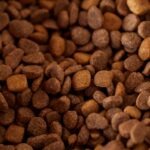
- Safe for the Food Chain: Its toxicity profile is so benign that highly purified grades are legally approved by the FDA and EFSA to be used directly in animal feed as a pellet binder. If runoff from a treated dirt road or agricultural field enters a local stream or groundwater table, it poses no toxic threat to local wildlife, livestock, or aquatic ecosystems.
5. The Carbon Footprint: Bio-Based vs. Petroleum-Based
While sodium lignosulfonate is overwhelmingly positive for the environment, it is not entirely “zero-carbon.”
- The Energy Cost: The final step of manufacturing requires spray-drying the liquid liquor into a fine powder. This requires massive heating towers, which consume significant industrial energy and generate carbon emissions.
- The Comparison: However, when assessed through a complete Life Cycle Analysis (LCA), the carbon footprint of sodium lignosulfonate is drastically lower than that of the chemicals it replaces. Synthesizing petroleum-based dispersants (like Sodium Naphthalene Sulfonate – SNF) requires crude oil extraction, complex petrochemical cracking, and toxic formaldehyde polymerization.
By replacing SNF with sodium lignosulfonate in a concrete mix, a manufacturer significantly reduces the embodied carbon of their final product.