

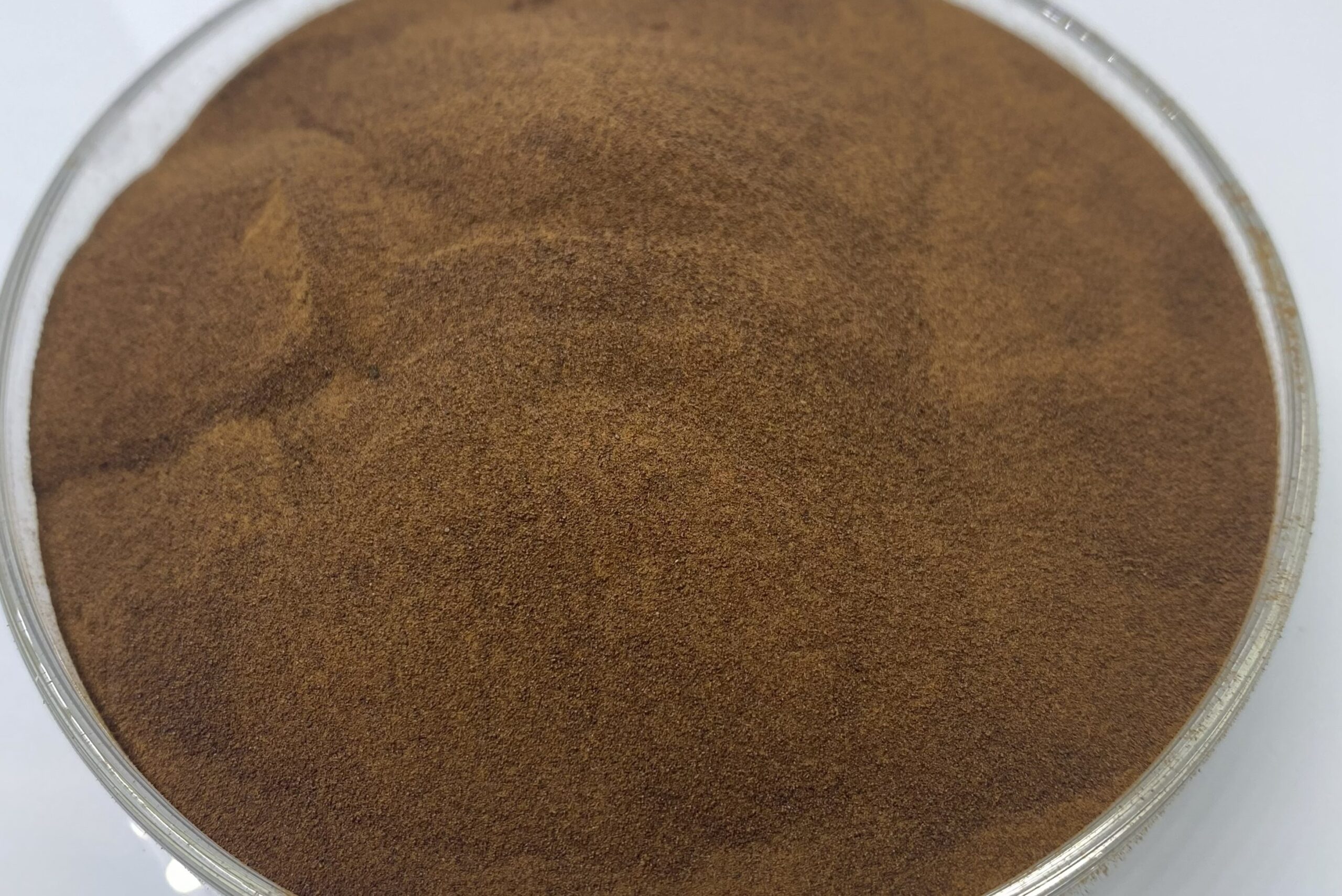
At the forefront of this green revolution is lignosulfonate—a versatile, bio-based polymer extracted during the wood pulping process. By upcycling this natural byproduct, industries ranging from heavy construction to agriculture are reducing their reliance on synthetic petrochemicals, lowering costs, and significantly improving their environmental footprints.
What is Lignosulfonate?
Wood is primarily composed of two main materials: cellulose (the fibrous material used to make paper) and lignin (the natural, complex polymer that acts as the “glue” holding the tree together).
During the sulfite pulping process, chemical solutions are used to separate the cellulose from the lignin. The lignin dissolves into the pulping liquid (often called “brown liquor” or “red liquor”) and undergoes sulfonation. The resulting compound is lignosulfonate—a highly water-soluble, negatively charged polymer.
Depending on the specific chemicals used during extraction, manufacturers produce different variants, most commonly Sodium Lignosulfonate, Calcium Lignosulfonate. Each variant possesses unique binding, dispersing, and chelating properties.
Top 5 Industrial Applications of Lignosulfonate
1. Construction: High-Performance Concrete Admixtures
The construction industry is the largest consumer of lignosulfonates globally. They are utilized as water-reducing agents (plasticizers) in concrete formulations.
- The Mechanism: The polymer coats the cement particles, giving them a negative charge. This causes the particles to repel each other, breaking up clumps and releasing trapped water.
- The Benefit: It allows structural engineers to reduce the water content in a concrete mix by up to 15% without sacrificing flow or workability. This results in dramatically higher compressive strength, less cracking, and increased longevity of the concrete structure.
2. Infrastructure & Mining: Dust Suppression
Unpaved roads, mining sites, and material stockpiles generate massive amounts of airborne dust, posing severe environmental and worker safety hazards.
- The Mechanism: When sprayed onto dirt, the lignosulfonate solution acts as a powerful natural adhesive.
- The Benefit: As the water evaporates, the lignosulfonate binds the loose soil particles together to form a hard, flexible, and durable crust. It is a highly effective, non-toxic alternative to corrosive chloride salts and petroleum-based dust suppressants.
3. Agriculture: Soil Conditioners and Agrochemicals
The push for organic and sustainable farming has made lignosulfonate a critical agricultural input.
- The Mechanism: Lignosulfonates are excellent chelating agents. They wrap around essential soil micronutrients (like iron, zinc, and manganese) and keep them water-soluble.
- The Benefit: This prevents nutrients from getting “locked” in the soil, ensuring plant roots can easily absorb them. Additionally, it is heavily used as a dispersant in pesticide sprays to ensure active chemical ingredients are distributed evenly across crops without clogging spray nozzles.
4. Animal Feed: Pellet Binding and Digestion
Livestock feed, aquaculture feed, and biomass (wood) pellets require a binder to survive the harsh manufacturing and transportation processes without crumbling into dust.
- The Mechanism: The natural adhesive properties of modified lignin are activated by the heat and steam of the pellet extruder.
- The Benefit: Lignosulfonate acts as a natural lubricant during extrusion, reducing wear on machinery. Once cooled, it locks the pellet together. Because it is 100% bio-based, it is completely safe, non-toxic, and easily metabolized by livestock.
5. Energy & Oil Drilling: Rheology Control
Extracting resources and generating energy requires precise control over complex fluids.
- The Mechanism: In deep-sea oil wells, lignosulfonates are used as deflocculants in drilling muds to prevent clay particles from swelling and clumping under extreme heat and pressure.
- The Benefit: This keeps the drilling fluid thin and pumpable, preventing catastrophic blowouts and equipment failure. Furthermore, it is used in Coal Water Slurries (CWS) to disperse finely milled coal into water, creating a liquid fuel that is highly efficient and cleaner to burn than solid coal.




Leave a Reply