
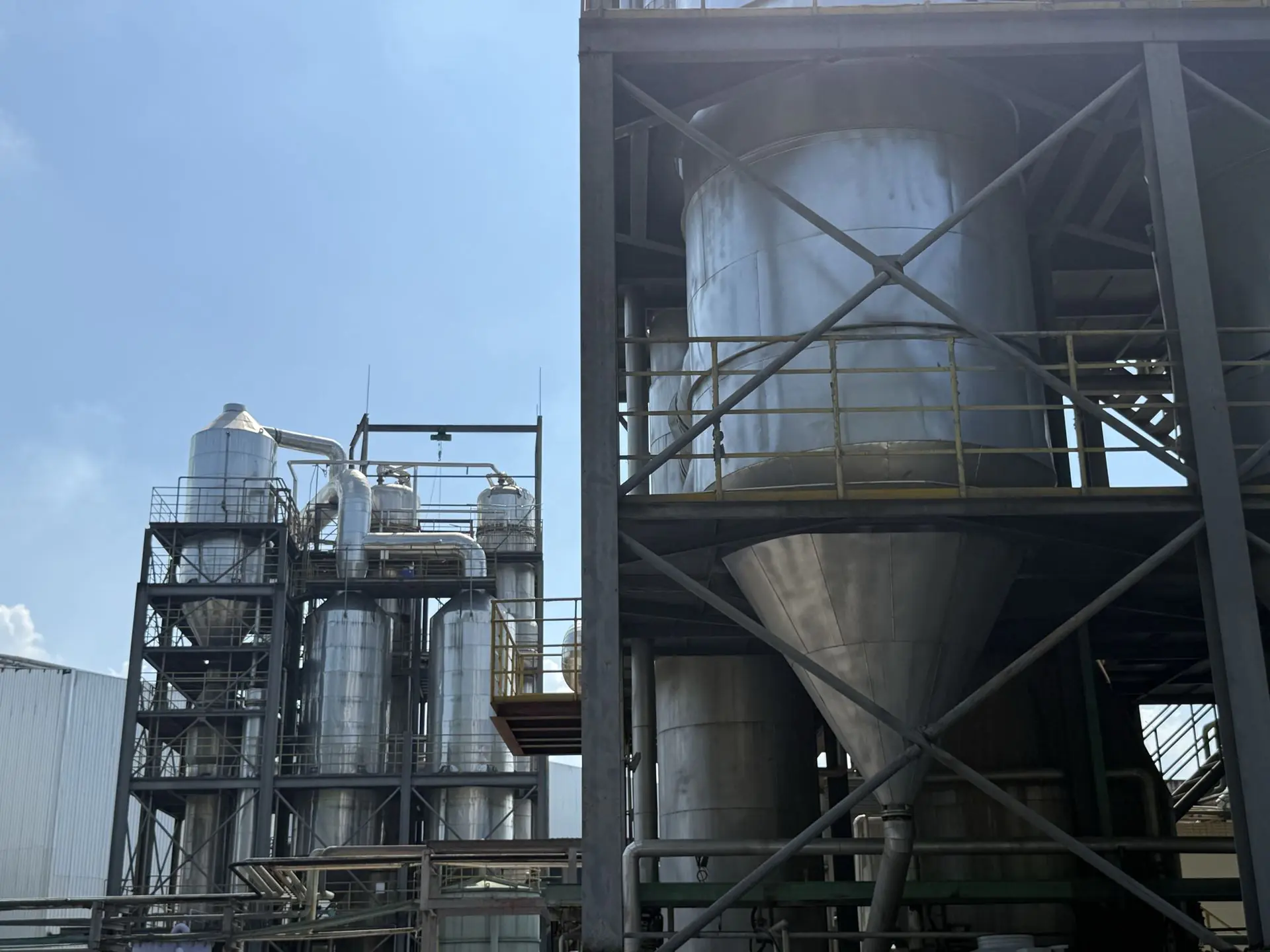
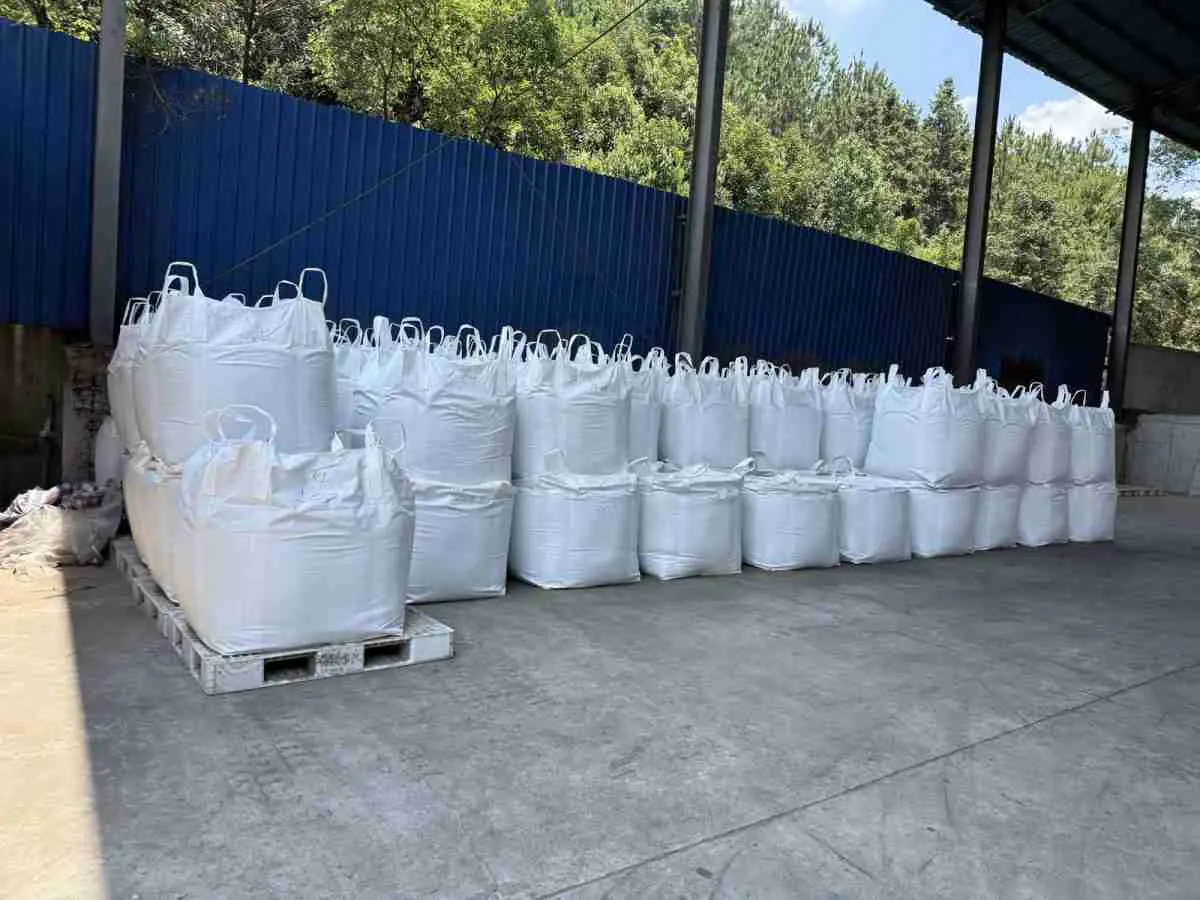
Sodium lignosulfonate is not classified as hazardous under normal industrial handling, according to its safety data sheet. It still needs ordinary care, mostly because the powder grades form dust. These are the practical hazards and controls, taken from our SDS.
Hazards
- Dust. Fine powder can cause temporary mechanical irritation to the eyes, skin, nose and throat.
- Slipping. Spilled powder on hard floors, especially when damp, makes them slippery.
- Fire. It may burn at high temperature, releasing carbon oxides, sulfur oxides and irritating fumes. As with other fine organic powders, keep dust clouds away from ignition sources.
- Chemical incompatibility. Keep it away from strong oxidisers, strong acids and strong bases.
Controls
| Situation | Control from the SDS |
|---|---|
| Emptying bags or big bags | Local exhaust or general ventilation; avoid generating dust |
| Airborne dust present | Approved particulate respirator or dust mask |
| Handling powder | Safety glasses or goggles; protective gloves and work clothing |
| Spills | Clean up immediately; avoid dry sweeping that raises dust |
| Storage | Cool, dry, well-ventilated, sealed original packaging; away from food/feed and heat; protect liquids from freezing |
| After handling | Wash hands before eating, drinking or smoking |
If exposure happens
- Eyes: rinse with clean water for at least 10 minutes, lifting the eyelids; get medical help if irritation continues.
- Skin: remove contaminated clothing, wash with soap and water.
- Inhalation: move to fresh air.
- Swallowed: rinse the mouth; do not induce vomiting unless told to by medical staff.
Full section-by-section summary: sodium lignosulfonate SDS.
Frequently Asked Questions
Is sodium lignosulfonate dust dangerous?
It is not classified as hazardous, but fine dust can irritate eyes, skin, nose and throat. Use ventilation and a dust mask when dust is airborne.
What PPE is needed for sodium lignosulfonate?
The SDS recommends safety glasses, protective gloves and work clothing, and a particulate respirator or dust mask when airborne dust is present.
Can sodium lignosulfonate catch fire?
It may burn at high temperature, giving carbon oxides, sulfur oxides and irritating fumes. Keep dust clouds away from ignition sources.