All products described on this site are made from lignin, the natural polymer that binds cellulose fibres together in wood. This page explains where the lignin comes from for each product family and how it is turned into a powder or liquid product.
At a glance
- Raw material
- Lignin: from sulfite wood-pulping liquor (lignosulfonates) or lignin biomass (lignohumates, lignin)
- Process
- Purification, evaporation, chemical treatment for some grades, spray drying
- Forms
- Powder in bags or jumbo bags; liquid in IBC totes or flexitanks
- Not claimed
- Bio-based carbon percentage, carbon footprint
Lignosulfonates: from sulfite pulping liquor
- Wood. Lignin, cellulose and hemicellulose are the main components of wood.
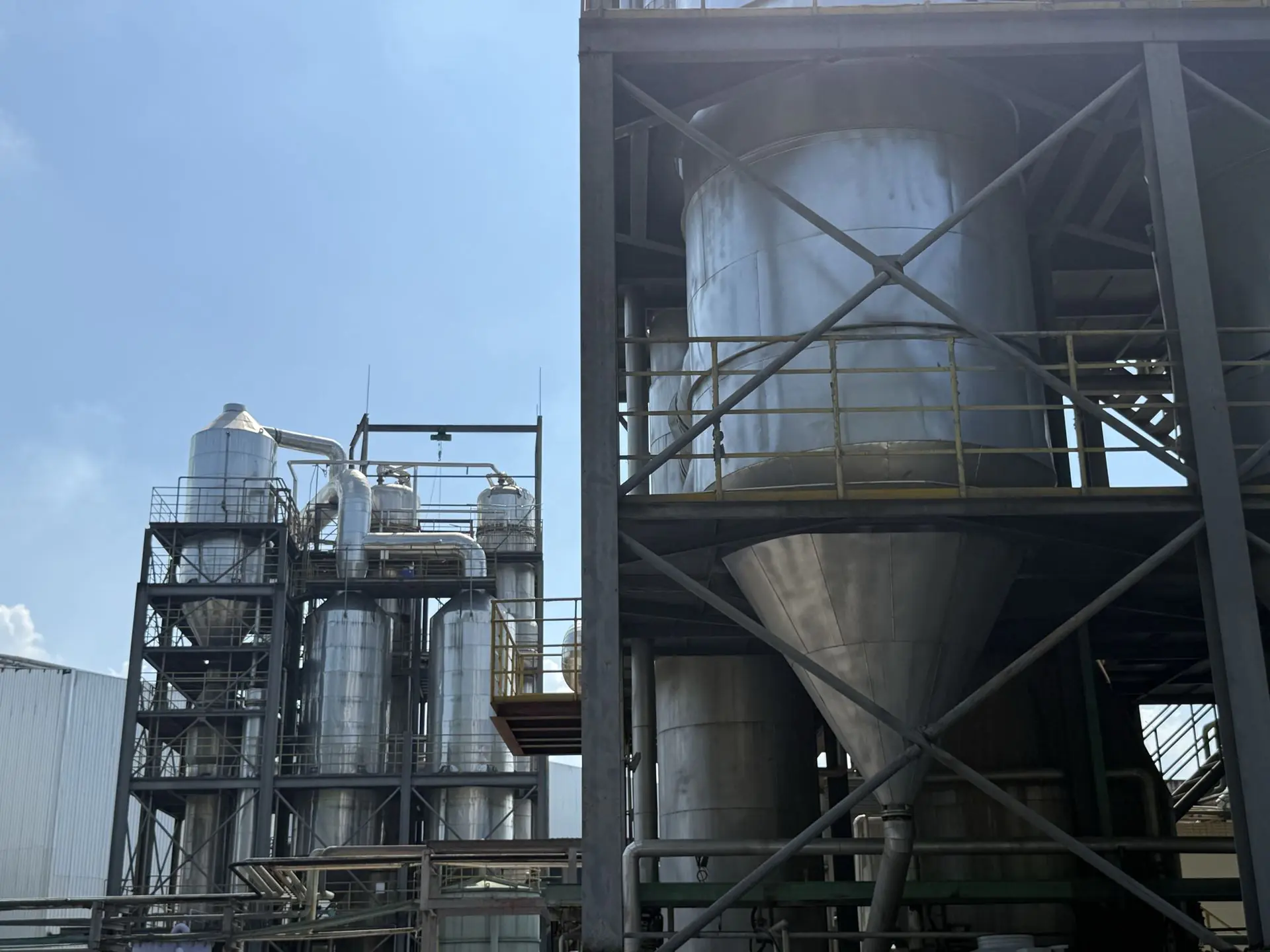
- Sulfite pulping. A pulp mill cooks wood chips with a sulfite solution to free the cellulose fibre for paper and pulp. During cooking the lignin is sulfonated and becomes water-soluble.
- Spent liquor. The lignin-rich liquor left after the fibre is removed is the raw material for lignosulfonates. Using it turns a pulp-mill side stream into a product.
- Purification and concentration. The liquor is purified and evaporated; some grades are chemically treated (for example to lower reducing sugar or change the cation).
- Drying or shipping as liquid. Powder grades are spray dried and bagged; liquid grades are shipped as a concentrate.
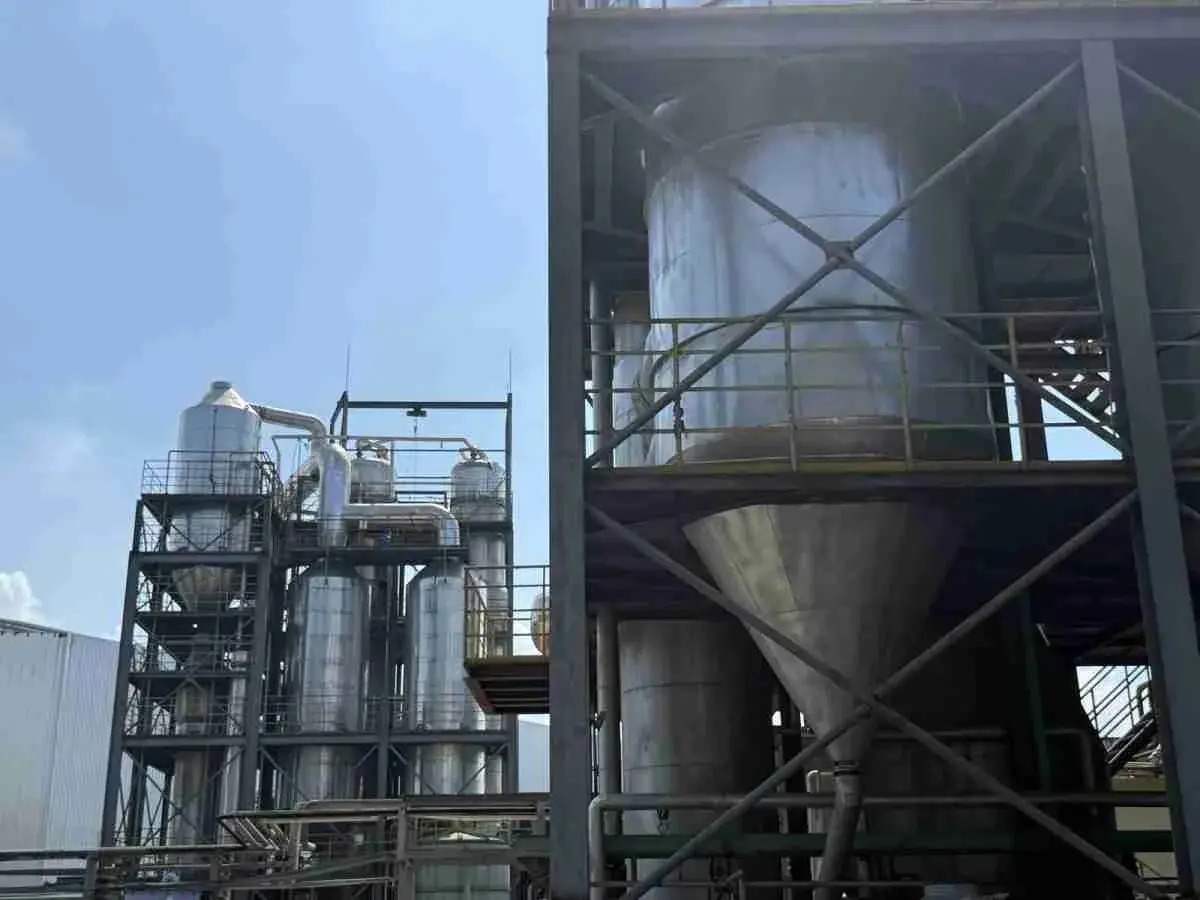
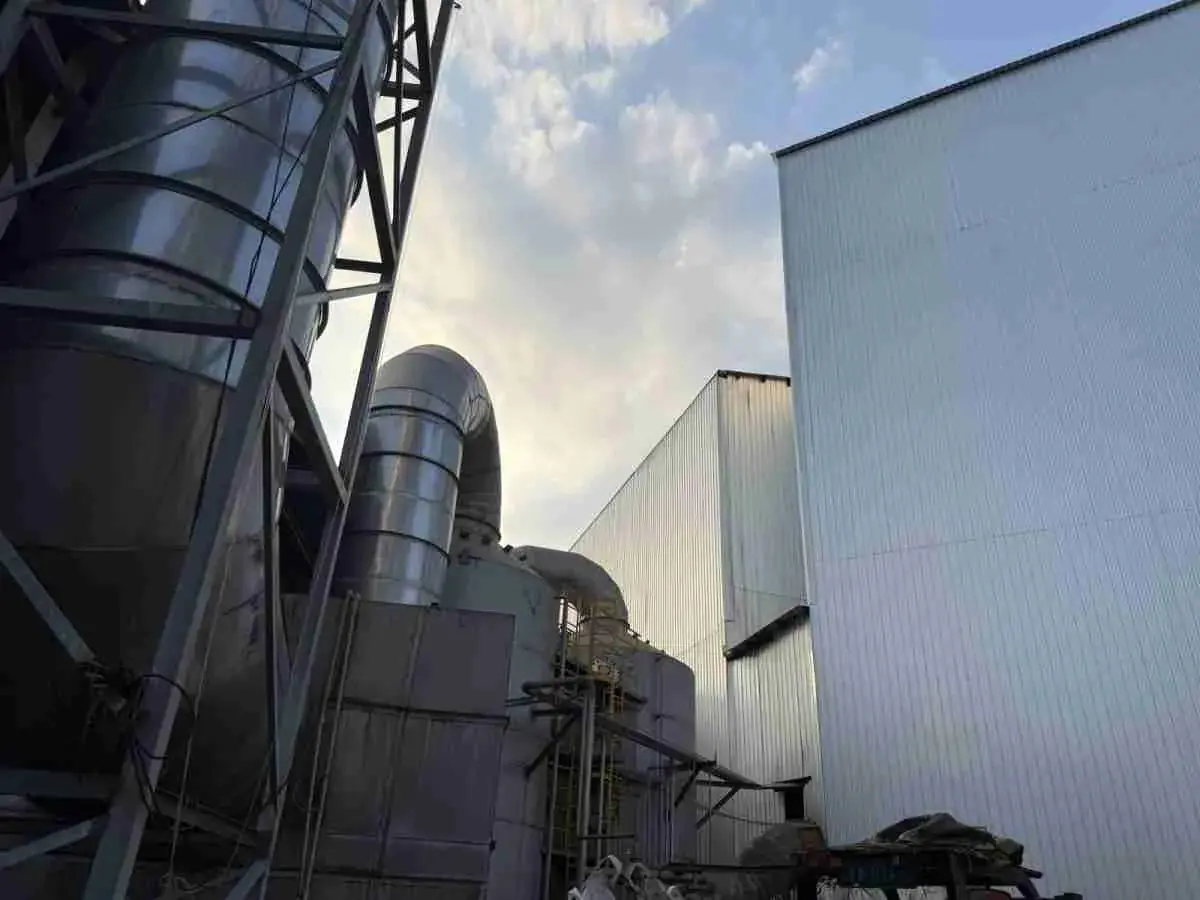
The cation used in pulping, or added afterwards, gives the product its name: sodium, calcium, magnesium, ammonium or potassium lignosulfonate. Our magnesium lignosulfonate TDS, for example, describes the product as “extracted from pulping liquor through purification, evaporation, chemical treatment and drying”.
| Product | CAS number |
|---|---|
| Sodium lignosulfonate | 8061-51-6 |
| Calcium lignosulfonate | 8061-52-7 |
| Ammonium lignosulfonate | 8061-53-8 |
| Magnesium lignosulfonate | 8061-54-9 |
| Potassium lignosulfonate | 37314-65-1 |
Lignohumates: from lignin by alkaline treatment
Our lignohumates are produced from lignin, either by alkaline treatment of lignin biomass or by lignin–humic complexation, as described in their TDS. Some humate products in our range, such as sodium humate for feed and potassium humate granules, are made from naturally occurring humic substances instead; their origin statement says so.
Micronutrient grades
Zinc, iron, copper, boron and manganese lignosulfonates and lignohumates use a lignin-based carrier combined with a mineral micronutrient. The lignin carrier is bio-based; the metal is not, and its source is stated in the origin statement for the grade.
Lignin
Our water-insoluble lignin powder is lignin recovered from plant material, supplied for resins, binders and other uses where a renewable raw material can replace part of a petrochemical one.
Powder and liquid forms
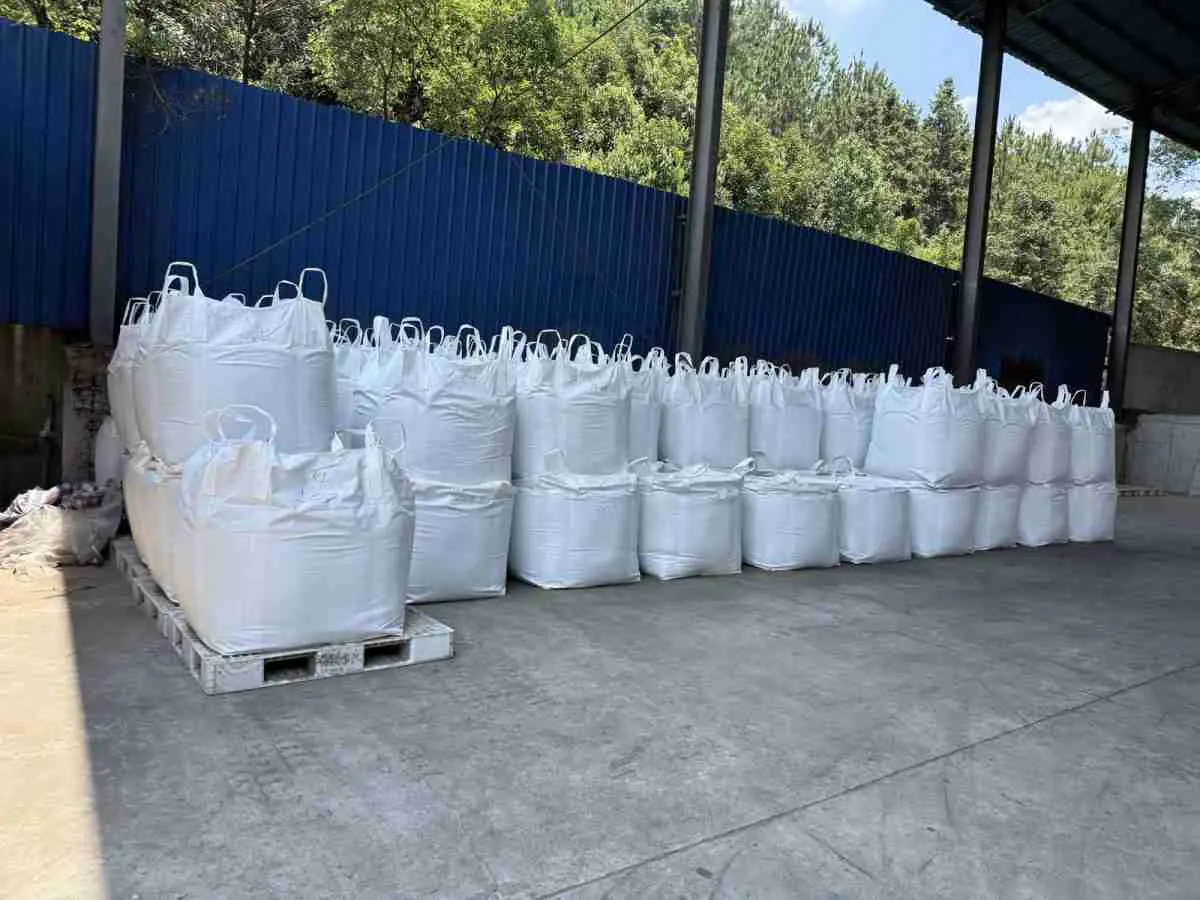
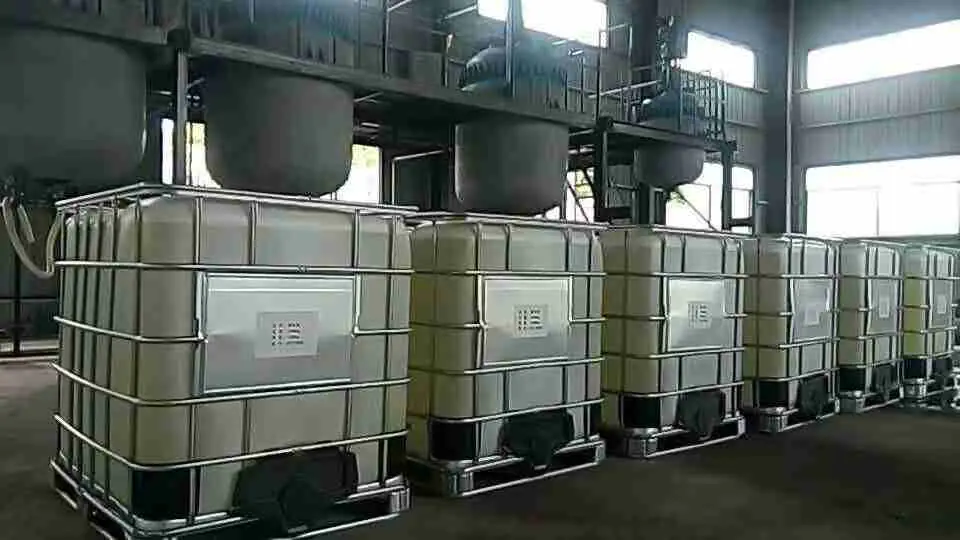
Powder grades are packed in 20 kg or 25 kg woven bags with a plastic liner, or in 500–600 kg jumbo bags (FIBC). Liquid grades are shipped in IBC totes or flexitanks. The COA for each grade states its packaging, storage conditions and shelf life; powder should be kept dry, in its original packaging, in a well-ventilated store.
What we do not claim
- We do not state a bio-based carbon percentage, because no product has been tested to a bio-based content standard yet.
- We do not publish a carbon footprint, because no life-cycle assessment (LCA) has been completed for these products.
- Chrome lignosulfonate is lignin-based but contains a chromium complex, so it is not presented as a low-impact product.
For a written origin statement for a specific grade, see ESG documents or contact us.
Frequently Asked Questions
Where does lignosulfonate come from?
Lignosulfonate comes from the spent liquor of sulfite wood pulping. When pulp mills separate cellulose fibre from wood, lignin is sulfonated and dissolved; that liquor is purified, concentrated and dried to make lignosulfonate.
Is lignosulfonate a by-product of the paper industry?
Yes. It is recovered from the liquor that remains after cellulose fibre has been removed in sulfite pulping, so it uses a pulp-mill side stream as its raw material.
Are lignohumates made from coal?
Our lignohumates are made from lignin, by alkaline treatment of lignin biomass or lignin–humic complexation. Some separate humate products, such as sodium humate for feed, are made from naturally occurring humic substances, and their origin statement says so.
Do you publish a carbon footprint for these products?
Not yet. No life-cycle assessment has been completed, so we do not state a carbon footprint or a bio-based carbon percentage.