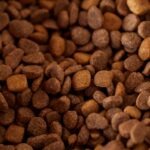


If you have ever looked at a bag of livestock or poultry feed, you know that the pellets need to be hard, uniform, and durable. However, pressing a dry mix of grains, fibers, and fats into a solid pellet is a massive mechanical challenge. Without help, those pellets will easily crumble back into dust during bagging, transport, and feeding.
This is where calcium lignosulfonate steps in.
Derived from the natural lignin that gives trees their rigid structure, calcium lignosulfonate is the global industry standard for pellet binding in commercial animal feed. It acts as a natural, eco-friendly glue that holds the feed together, but its benefits extend far beyond just making a harder pellet.
1. Maximizing the Pellet Durability Index (PDI)
The ultimate metric of feed quality is its Pellet Durability Index (PDI)—a measurement of how well a pellet survives mechanical stress without breaking apart.
When feed pellets crumble into powder (known in the industry as “fines”), it creates massive waste. Animals cannot efficiently eat the dust, it blows away in the wind, and it allows livestock to selectively pick out certain grains while leaving essential nutrients behind.
- How Calcium Lignosulfonate Fixes This: During the milling process, the feed mash is blasted with hot steam in a conditioning chamber. This heat and moisture activate the calcium lignosulfonate, causing it to act like a thermosetting resin. As the pellet is extruded and cools down, the polymer hardens, physically locking the feed particles into a tight, durable matrix. The result is a rock-hard pellet that reaches the feed trough completely intact.
2. Taming Difficult Formulations
Some feed ingredients naturally stick together thanks to high starch content (like corn or wheat). However, modern diets often call for complex formulations that aggressively resist binding.
- High-Fat Diets: Fats and oils act as lubricants. If a poultry or swine diet requires high fat for energy, the pellets will naturally want to slip apart and crumble.
- High-Fiber Diets: Ruminant feeds (for cattle or sheep) are packed with rough, dry fibers that do not naturally bind well.
Calcium lignosulfonate provides the aggressive adhesive strength needed to force these difficult, low-starch, or high-fat formulations to hold their shape.
3. Lubricating the Mill and Saving Energy
Pushing tons of dry, fibrous mash through a heavy metal pellet die requires a staggering amount of electrical energy and creates intense frictional heat, which wears out the machinery rapidly.
- The Mill Benefit: Before it hardens, calcium lignosulfonate acts as a natural lubricant inside the pellet mill. It significantly reduces the friction between the feed mash and the metal die walls. This cuts the mill’s energy consumption (amperage draw), increases the throughput speed (tons produced per hour), and drastically extends the lifespan of the expensive metal die.
4. Nutritional Safety and Prebiotic Benefits
Because it is a chemical additive, feed manufacturers must ensure it is safe for the animal. Calcium lignosulfonate shines here because it is a 100% natural, bio-based wood extract.
- Globally Approved: It is generally recognized as safe (GRAS) by the FDA and EFSA for use in all livestock, poultry, and aquatic feeds.
- Gut Health: Lignin is a complex organic carbon. As it passes through the animal’s digestive tract, it is not absorbed as empty calories. Instead, it acts as a mild prebiotic, providing a substrate for beneficial gut bacteria to feed on, which can improve overall herd health.
- Why Calcium? While sodium lignosulfonate is also a binder, calcium is the preferred choice for dry feed. Not only is it highly economical, but it also avoids adding excess sodium to the diet, which can cause diuresis (excessive water consumption and wet bedding) in poultry and swine.