
When formulating concrete, selecting the right water-reducing admixture is the key to balancing strength, workability, and project costs. While ultra-expensive 3rd-generation polycarboxylates (PCEs) get a lot of attention, the vast majority of global construction relies on the proven, cost-effective workhorses of the industry: 1st-generation Sodium Lignosulfonate (SLS) and 2nd-generation Sodium Naphthalene Sulfonate (SNF).
Though both are highly effective plasticizers designed to break up cement clumps and free trapped water, their origins, performance capabilities, and ideal use cases are very different.
1. The Chemistry: How Do They Work?
Both SLS and SNF rely on the exact same primary mechanism to fluidize concrete: electrostatic repulsion. They coat the cement particles and impart a negative electrical charge, causing the particles to repel one another. However, their molecular structures dictate how aggressively they perform.
Sodium Lignosulfonate (1st Generation)
- The Origin: SLS is an organic biopolymer upcycled from tree lignin during the paper pulping process.
- The Mechanism: Because it is a natural polymer, its molecular structure is chaotic and highly branched. It delivers a moderate negative charge to the cement. Additionally, it naturally contains trace amounts of wood sugars, which chemically slow down the hydration (curing) process of the cement.
Naphthalene Sulfonate (2nd Generation Superplasticizer)
- The Origin: SNF is a 100% synthetic chemical synthesized from petrochemicals—specifically by reacting naphthalene with sulfuric acid and formaldehyde.
- The Mechanism: Because it is engineered in a laboratory, its molecular structure is highly uniform. It delivers a much denser, stronger negative charge to the cement particles than SLS. This results in a more violent repulsion, breaking up cement clumps more efficiently without introducing the retarding sugars found in natural lignin.
2. Direct Comparison Matrix
Here is how these two foundational concrete admixtures stack up across the most critical metrics:
| Feature | Sodium Lignosulfonate (SLS) | Naphthalene Sulfonate (SNF) |
| Admixture Generation | 1st Generation (Standard Water Reducer) | 2nd Generation (Superplasticizer) |
| Water Reduction Rate | 8% to 12% | 15% to 25% |
| Origin / Sustainability | Natural, renewable, 100% biodegradable | Synthetic, petroleum-based |
| Setting Time | Retards setting (delays hardening) | Neutral (does not significantly delay setting) |
| Air Entrainment | Mildly air-entraining (introduces microscopic bubbles) | Non-air-entraining |
| Cost | Highly economical (Very cheap) | Moderate (More expensive than SLS) |
| Primary Industry Use | Standard concrete, agriculture, dust control | High-strength commercial concrete, precast |
3. Deep Dive: Key Operational Differences
Performance and Early Strength (The SNF Advantage)
When you need to pour high-strength structural concrete, SNF is vastly superior. Because it reduces water content by up to 25%, the cement particles are packed much closer together as they cure. This results in significantly higher early compressive strength and a denser, less porous final slab. SNF achieves this fluid, low-water mix without the extreme set-retardation that would happen if you simply overdosed a batch with SLS.
Bleeding and Segregation
- Sodium Lignosulfonate is slightly air-entraining. While this can mildly improve freeze-thaw resistance, it can also cause the concrete to “bleed” (water rising to the surface) if the mix is poorly designed or heavily dosed.
- Naphthalene Sulfonate does not introduce extra air. It creates a highly cohesive, homogenous mix that resists segregation, making it ideal for pumping heavy concrete up multiple stories in commercial high-rises.
Temperature and Curing Control
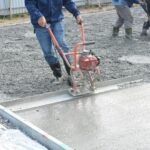
The natural wood sugars in SLS make it a brilliant choice for hot-weather concreting. If you are pouring in the middle of summer, the heat will cause standard concrete to “flash set” (harden before the crew can finish it). The retarding effect of SLS counteracts the heat, giving workers ample time to trowel the surface. Conversely, if you are pouring in the dead of winter, SNF is safer, as its neutral setting time won’t leave you waiting days for a cold slab to cure.
The Environmental Profile (The SLS Advantage)
From an ecological standpoint, SLS is unmatched. It is completely non-toxic, derived from renewable forestry waste, and actively reduces the carbon footprint of your supply chain. SNF, on the other hand, relies heavily on crude oil extraction and toxic precursor chemicals like formaldehyde, making it a poor choice for projects striving for strict green-building certifications.
4. The Verdict: When to Choose Which?
Choose Sodium Lignosulfonate if:
- You are pouring standard-strength foundations, sidewalks, or residential slabs.
- You are operating in a hot climate and need to economically slow down the setting time of the concrete.
- You are working on a strict, low-cost budget and do not need extreme water reduction.
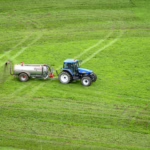
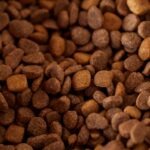
- You are utilizing the chemical outside of concrete (e.g., pelletizing animal feed, formulating agrochemicals, or stabilizing dusty dirt roads).
Choose Naphthalene Sulfonate if:
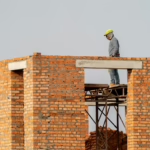
- You are engineering high-strength, structural concrete for commercial buildings or heavy infrastructure.
- You run a precast concrete facility and need high early strength to pop molds quickly and keep production moving.
- You are pouring in cold weather and cannot afford the delayed setting times associated with wood-based plasticizers.
- You need to pump concrete long distances without the mix separating or bleeding.