
In the commercial concrete industry, water is a double-edged sword. You need enough water to make the concrete highly fluid and pourable, but adding too much water increases the water-to-cement (w/c) ratio, which drastically weakens the structural integrity of the final cured slab.
To achieve a workable, flowing mix without drowning the cement in excess water, engineers rely on chemical admixtures known as plasticizers or water reducers. One of the most widely used, cost-effective, and sustainable first-generation water reducers in the world is calcium lignosulfonate.
Derived from the natural lignin found in wood during the paper pulping process, this bio-based polymer is a staple in ready-mix batch plants.
1. The Core Problem: Cement Flocculation
To understand how the chemical works, you must first understand the mechanical problem it solves.
When dry Portland cement is mixed with water, hydration begins immediately. Because cement particles have irregular shapes and complex, uneven electrical charges on their surfaces, they naturally attract one another. They rapidly bind together into microscopic clumps—a process known as flocculation.
This clumping creates a massive mechanical issue: up to 20% to 30% of the mixing water gets trapped inside these cement clusters. Because this water is locked away, it cannot coat the outside of the particles to lubricate the mix. As a result, the concrete feels stiff, dry, and incredibly difficult to pump or trowel.
2. The Solution: How Calcium Lignosulfonate Frees the Water
Calcium lignosulfonate is a highly effective dispersing agent. When added to the wet concrete mixer (typically at a very low dosage of 0.2% to 0.5% by weight of cement), it breaks up these clumps through two distinct physical mechanisms:
Mechanism A: Surface Adsorption
Calcium lignosulfonate is a long-chain organic polymer. When it enters the wet concrete, the polymer chains aggressively seek out the solid cement particles. They wrap around and adhere firmly to the surface of the cement, coating the individual particles in a microscopic organic film.
Mechanism B: Electrostatic Repulsion
The molecular structure of lignosulfonate is rich in sulfonate groups, which carry a strong negative electrical charge.
- As the polymer coats the cement, it masks the natural, mixed charges of the particle.
- Suddenly, every single cement particle in the mix possesses a uniform negative charge.
- Just like pushing the negative poles of two magnets together, the uniformly charged cement particles violently repel one another.
This electrostatic repulsion physically shatters the flocculated clumps. The microscopic clusters are destroyed, and all the water that was previously trapped inside is instantly released back into the main concrete matrix. This newly freed water is now available to lubricate the mix, making the concrete highly fluid and workable without adding a single drop of extra water.
3. Practical Benefits for Concrete Production
By utilizing the dispersing power of calcium lignosulfonate, concrete batching plants unlock several major structural and economic advantages:
- Lower Water-to-Cement Ratio: It allows producers to reduce the total mixing water by 8% to 10% while maintaining the exact same slump (flowability).
- Higher Compressive Strength: Because there is less water taking up space in the mix, the cement particles cure much closer together. This results in a significantly denser, less porous slab with higher ultimate compressive strength.
- Cost Efficiency: Alternatively, producers can reduce both the water and the cement content simultaneously, achieving the target strength while saving money on expensive dry cement.
4. The Built-In Bonus: Set Retardation
Unlike highly refined synthetic superplasticizers, calcium lignosulfonate is a natural wood derivative and contains trace amounts of residual wood sugars (hemicellulose).
In the chemistry of concrete, sugars act as set retarders—they temporarily slow down the hydration chemical reaction, delaying the time it takes for the concrete to harden.
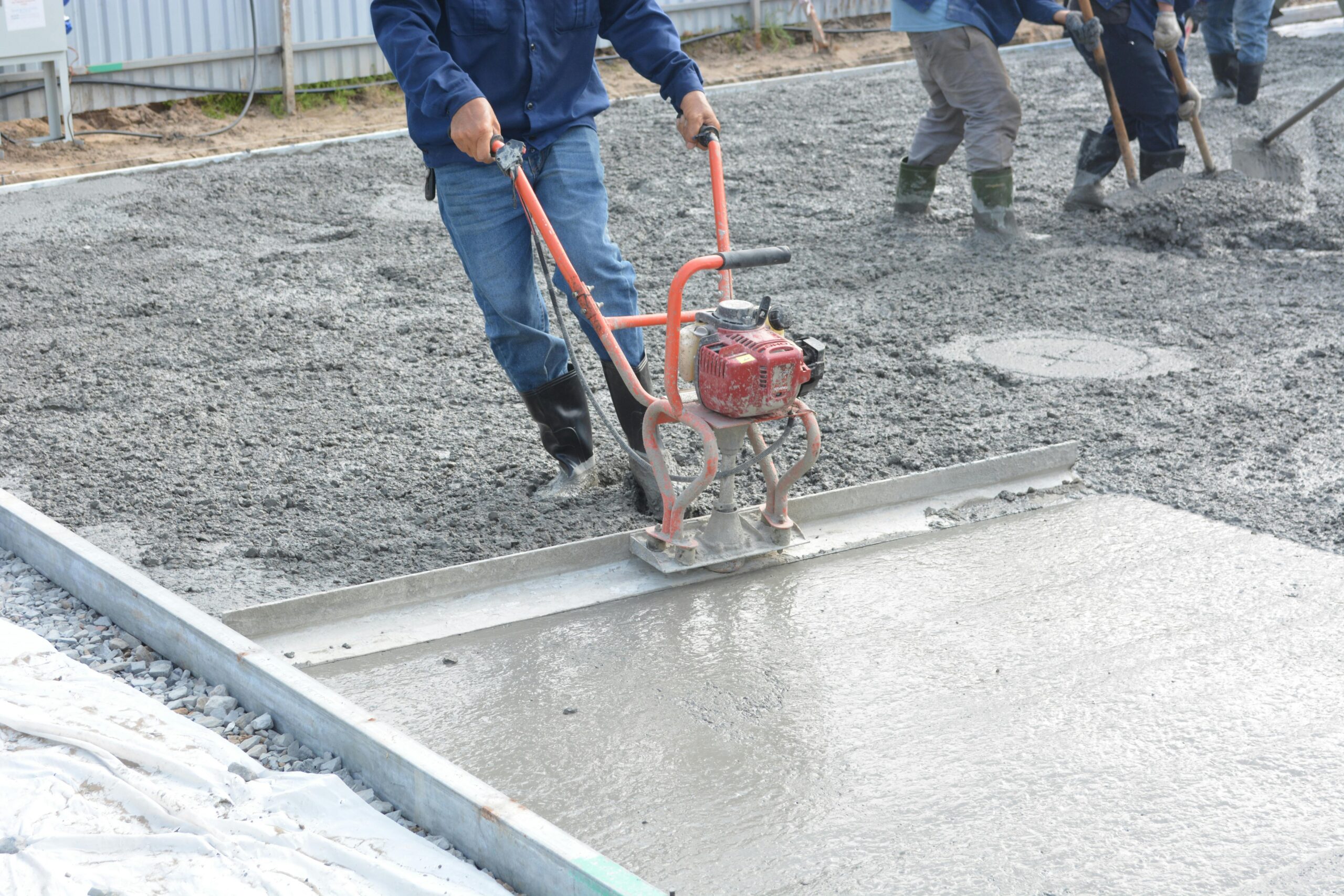
- Why this is valuable: If you are pouring concrete in the middle of summer, the ambient heat will cause standard concrete to “flash set” (harden in the truck or before the crew can finish troweling it). The natural retarding effect of calcium lignosulfonate counteracts the heat, extending the workability window and giving the crew ample time to pour, vibrate, and finish the slab perfectly.
5. Calcium vs. Sodium Lignosulfonate in Concrete
If you are sourcing lignosulfonate for concrete, you will frequently see both calcium and sodium variants on the market. Here is how they compare specifically in concrete admixtures:
| Feature | Calcium Lignosulfonate | Sodium Lignosulfonate |
| Base Ion | Divalent | Monovalent |
| Dispersing Power | Good (Standard Water Reduction) | Excellent (Slightly better flow) |
| Solubility | Moderate (Leaves minor insoluble residue) | High (Instant, complete dissolution) |
| Cost | Highly Economical (Cheaper) | Premium Pricing |
| Best Use Case | Bulk commercial ready-mix, summer pouring | High-performance mixes, complex chemical blends |