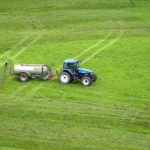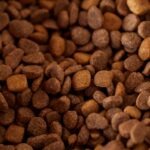


The direct answer is a resounding yes. Calcium lignosulfonate is not just a good binder; it is widely considered one of the best and most universally utilized binders in the global fertilizer manufacturing industry.
When producing granular or pelleted fertilizers—whether they are NPK blends, organic composts, or specialized micronutrients—manufacturers face a significant physical challenge: keeping the pellet intact from the factory to the farm.
By leveraging the natural adhesive properties of this wood-derived biopolymer, producers can create durable, dust-free fertilizers that actively benefit the soil.
The Mechanics: How It Binds Fertilizer
Calcium lignosulfonate is derived from lignin, the natural organic polymer that binds wood fibers together in living trees. When it is extracted and processed into a spray-dried powder or a viscous liquid, it retains this inherent “gluing” capability.
During the granulation or pelletizing process, dry fertilizer ingredients are mixed with a small amount of calcium lignosulfonate (typically at an inclusion rate of 1% to 3% by weight) and subjected to moisture and pressure.
- As the pellet is extruded or tumbled, the lignosulfonate polymer coats the particles.
- When the pellet is subsequently dried and cools, the lignin cures and hardens into a rigid organic matrix.
- The Result: The loose mineral dust and organic matter are locked together into a solid, highly durable granule.
The Core Benefits for Fertilizer Production
Using calcium lignosulfonate offers specific operational and agronomic advantages that synthetic chemical binders simply cannot match.
1. Massive Dust Reduction and Crush Strength
The primary job of a fertilizer binder is to increase the crush strength of the pellet. If pellets are weak, the friction of bagging, shipping, and running through agricultural spreader equipment will cause them to crumble back into powder.
- The Problem with Dust: Dust is easily blown away by the wind (resulting in lost nutrients and wasted money), causes severe respiratory hazards for farm workers, and can clog spreading machinery.
- The Ligno Solution: Calcium lignosulfonate creates a rock-hard pellet that resists abrasion, ensuring the product arrives in the field exactly as it left the factory.
2. Perfect Moisture Disintegration
A fertilizer pellet must be hard during transport, but the moment it hits the soil and is watered, it needs to break apart quickly so the plant roots can absorb the nutrients.
- The Ligno Solution: Because calcium lignosulfonate is highly water-soluble, it behaves perfectly in the field. When it rains or irrigation is turned on, the organic glue dissolves rapidly, releasing the active fertilizer ingredients into the soil without leaving behind an insoluble, gummy shell.
3. Lubrication for the Manufacturing Equipment
Pushing abrasive minerals (like phosphates and potash) through a metal pellet die creates massive friction, which burns massive amounts of electricity and wears out expensive machinery.
- The Ligno Solution: Before it cures, calcium lignosulfonate acts as a natural mechanical lubricant. It helps the fertilizer mash slide smoothly through the pellet dies, reducing the mill’s energy consumption and extending the lifespan of the equipment.
The Agronomic Bonus: Soil Health
One of the biggest reasons agricultural manufacturers prefer calcium lignosulfonate over synthetic polymer adhesives or cheap clay fillers is its environmental profile. It is a 100% natural, biodegradable compound.
| Feature | Calcium Lignosulfonate | Synthetic / Clay Binders |
| Toxicity | Completely Non-Toxic | Synthetics may leave microplastics |
| Soil Value | High: Feeds soil microbes | Zero: Acts only as an empty filler |
| Solubility | Dissolves rapidly | Clays can leave sludgy residues |
| Nutrient Value | Provides trace Calcium and Sulfur | Minimal to none |
Because the backbone of the lignosulfonate molecule is pure organic carbon, it acts as a mild biostimulant as it degrades in the field. It provides a highly digestible carbon food source for the native soil microbiome, stimulating the growth of beneficial bacteria and fungi around the plant’s root zone.