
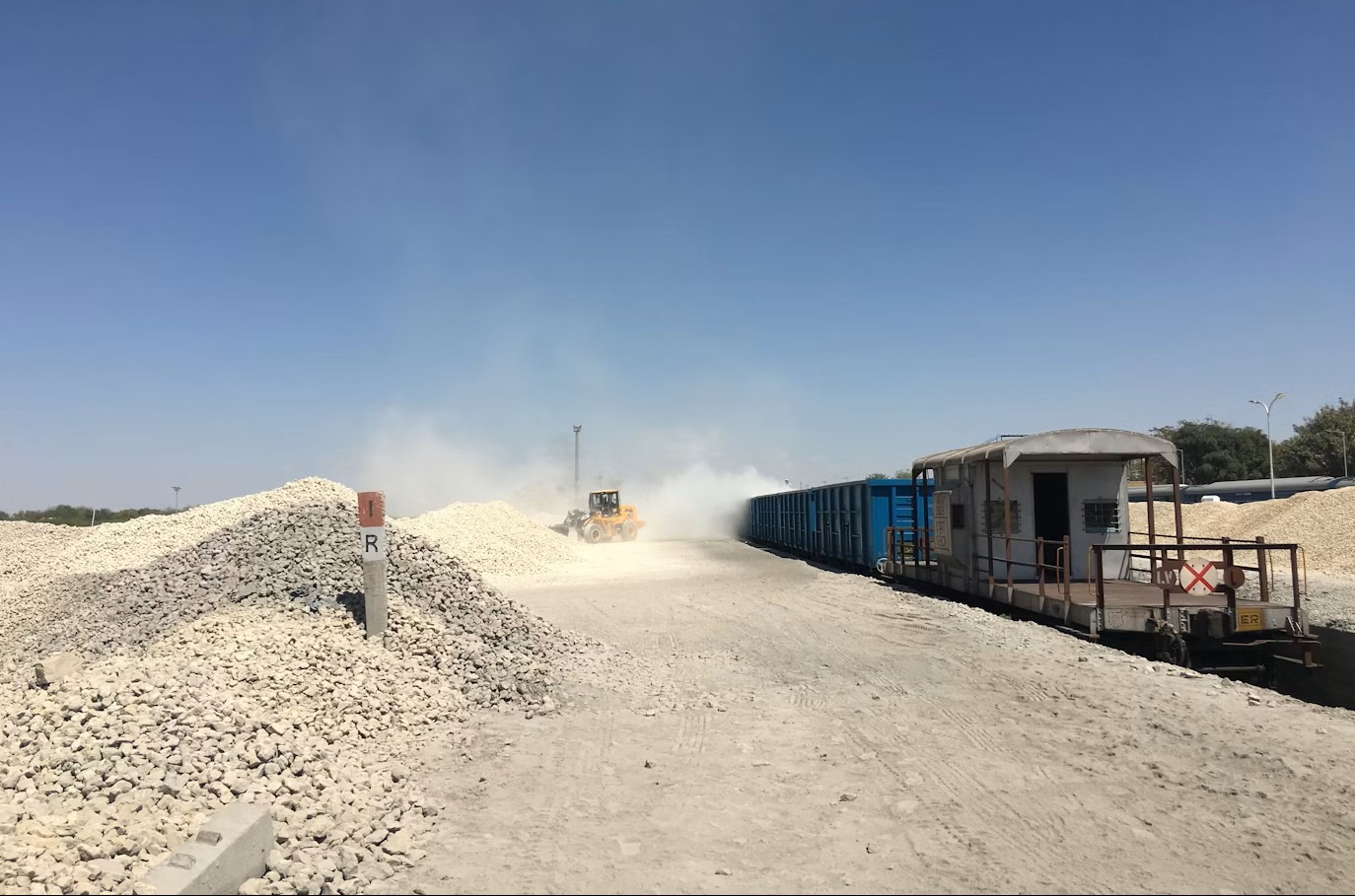
Fugitive dust is more than just a nuisance; it is a severe industrial hazard. On unpaved municipal roads, mining sites, and construction zones, airborne dust reduces visibility, accelerates machinery wear, and poses significant respiratory risks to workers and nearby communities.
While the traditional solution has been to continuously spray roads with water or corrosive chloride salts, the heavy industrial sector is rapidly shifting toward sustainable chemistry. Lignosulfonate—a 100% bio-based polymer derived from the wood-pulping process—has emerged as the premier eco-friendly dust suppressant and soil stabilizer.
The Problem: The Inefficiency of Water and Salts
Continuously running water trucks over dirt roads is incredibly inefficient. In arid environments, water evaporates in minutes, requiring constant re-application that drains local water resources and inflates fuel and labor costs.
Alternatively, chemical suppressants like Magnesium Chloride or Calcium Chloride pull moisture from the air to keep the road damp. However, these salts are highly corrosive. They rust out the undercarriages of heavy mining haul trucks and leach into the surrounding soil, poisoning local plant life and groundwater.
The Solution: How Lignosulfonate Binds Dust
Lignosulfonate solves the fugitive dust problem by acting as a natural, highly durable adhesive. When a liquid solution of lignosulfonate (typically applied at a 30% to 50% concentration) is sprayed onto a dirt surface, it works through a precise three-step mechanism:
1. Penetration (Lowering Surface Tension)
Standard water tends to bead up and run off dry, compacted dirt. Lignosulfonate acts as a natural surfactant. It breaks the surface tension of the water, allowing the solution to penetrate deep into the soil matrix rather than pooling on top.
2. Biological Gluing (The Matrix Formation)
As the water in the solution begins to evaporate under the sun, the complex, heavy lignin polymers are left behind. These polymers physically wrap around the loose dust, sand, and clay particles. As it cures, the lignosulfonate hardens, locking the loose particulate matter together into a solid, durable crust.
3. Plasticity and Moisture Retention
Unlike standard synthetic glues that become brittle and shatter under the weight of heavy vehicles, lignosulfonate contains natural wood sugars and retains a slight hygroscopic (water-attracting) property. This allows the bonded crust to remain slightly flexible and self-healing. When it rains, or when light maintenance water is applied, the lignosulfonate slightly re-activates, smoothing out ruts and re-binding the road surface.
Primary Industrial Applications
Because it is both powerful and non-toxic, lignosulfonate is deployed across heavily regulated environments where synthetic chemicals are banned:
- Mining Haul Roads: It withstands the extreme weight and shear forces of 400-ton haul trucks, drastically reducing the rolling resistance of the road (which saves massive amounts of diesel fuel).
- Municipal Unpaved Roads: Local governments use it to stabilize rural dirt roads, preventing washboarding and potholes while protecting the health of residents.
- Agriculture and Forestry: Because it is completely non-toxic and biodegradable, it can be safely sprayed on roads directly adjacent to organic crop fields or delicate watersheds without risk of contamination.
- Material Stockpiles: It is sprayed over massive piles of coal, limestone, or topsoil to prevent wind erosion and material loss during storage.


Leave a Reply