
As global industries face mounting pressure to reduce their carbon footprints and transition to circular economies, the demand for bio-based, high-performance chemicals has skyrocketed. At the forefront of this green industrial reform is lignosulfonate—a highly versatile, organic polymer derived from the wood pulping industry.
Far from being a mere byproduct, lignosulfonate has evolved into a critical functional additive. From towering concrete infrastructure to deep-sea oil wells, it solves practical processing problems while drastically improving the sustainability profile of thousands of products.
What is Lignosulfonate and How Does it Work?
Lignosulfonate is a water-soluble anionic polymer created during the sulfite pulping of wood. During this process, lignin—the natural “glue” that gives trees their structural strength—is extracted and sulfonated. The resulting salts (commonly Calcium, Sodium, or Magnesium Lignosulfonate) possess unique chemical properties that allow them to perform three primary functions in industrial settings:
- Dispersion: The negatively charged sulfonate groups attach to particles in a liquid mixture, causing them to repel each other. This prevents clumping, reduces the viscosity of slurries, and allows for even distribution without adding excess water.
- Binding: Once moisture evaporates, the natural adhesive properties of lignin take over, binding loose powders or granules into durable, cohesive solids.
- Chelation: Lignosulfonates can wrap around metal ions, preventing them from reacting with other chemicals and keeping them soluble—a vital trait for agricultural micronutrients.
Top 5 Industrial Applications of Lignosulfonate
Lignosulfonates are currently utilized at a volume of over 1.8 million metric tons annually. Here is how they are driving efficiency across the world’s most critical sectors:
1. Construction and Concrete Admixtures
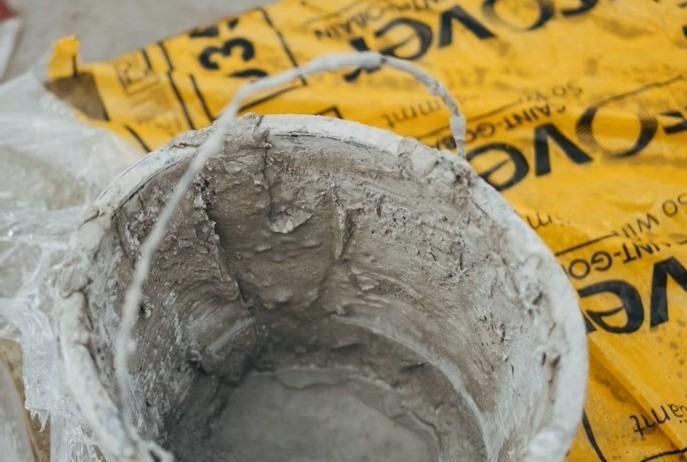
Accounting for roughly 40% of global demand, the construction sector is the largest consumer of lignosulfonates. They are primarily used as water-reducing agents (plasticizers) in concrete.
- The Benefit: By dispersing cement particles evenly, lignosulfonates allow manufacturers to reduce the water content in a concrete mix by 5% to 12%. This significantly increases the compressive strength and durability of the cured concrete while maintaining excellent flow and workability during pouring.
2. Dust Control and Soil Stabilization
Mining operations, rural municipalities, and construction sites rely heavily on lignosulfonates to mitigate airborne dust on unpaved roads and material stockpiles.
- The Benefit: When sprayed onto dirt, the lignosulfonate solution penetrates the surface and binds the soil particles together, forming a hard, flexible crust. It is a non-toxic, eco-friendly alternative to corrosive chloride-based dust suppressants and helps companies comply with strict environmental and worker safety regulations.
3. Animal Feed and Pelletizing
In the agricultural and biomass sectors, lignosulfonate is highly prized as a pellet binder.
- The Benefit: When added to animal feed or wood pellets, it acts as a natural lubricant during the extrusion process, reducing wear and tear on machinery. Once cooled, it locks the pellet together, preventing it from crumbling into dust during transport and storage. Furthermore, it is completely safe and easily digested by livestock.
4. Oil and Gas Drilling Fluids
Deep-well drilling requires highly specialized “mud” to cool the drill bit, carry rock cuttings to the surface, and stabilize the wellbore.
- The Benefit: Sodium and Calcium lignosulfonates are used as deflocculants (thinners) in these drilling fluids. They prevent clay particles in the mud from swelling and clumping together, especially in high-temperature and high-pressure drilling environments, ensuring the fluid remains pumpable.
5. Agrochemicals and Fertilizers
The push for sustainable agriculture has dramatically increased the use of bio-based carriers.
- The Benefit: In pesticide and herbicide formulations, lignosulfonates act as dispersants to ensure the active chemical ingredients do not settle at the bottom of the farmer’s spray tank. In fertilizers, they chelate essential micronutrients (like zinc and iron), preventing them from getting locked in the soil and ensuring plant roots can easily absorb them.




Leave a Reply