
Calcium Lignosulfonate as a Pelleting Agent: Maximizing Durability in Industrial Pelleting
Whether in the animal feed industry, biomass production, or fertilizer manufacturing, the quality of the final product stands and falls with the stability of the pellets. Poorly bonded pellets lead to “fines” (dust), material loss, and customer dissatisfaction.
Calcium Lignosulfonate has established itself as one of the most powerful and versatile pelleting agents globally. As a natural, wood-derived “glue,” it provides a drastic improvement in the physical properties and structural integrity of pressed materials.
The Role of Calcium Lignosulfonate in the Pelleting Process
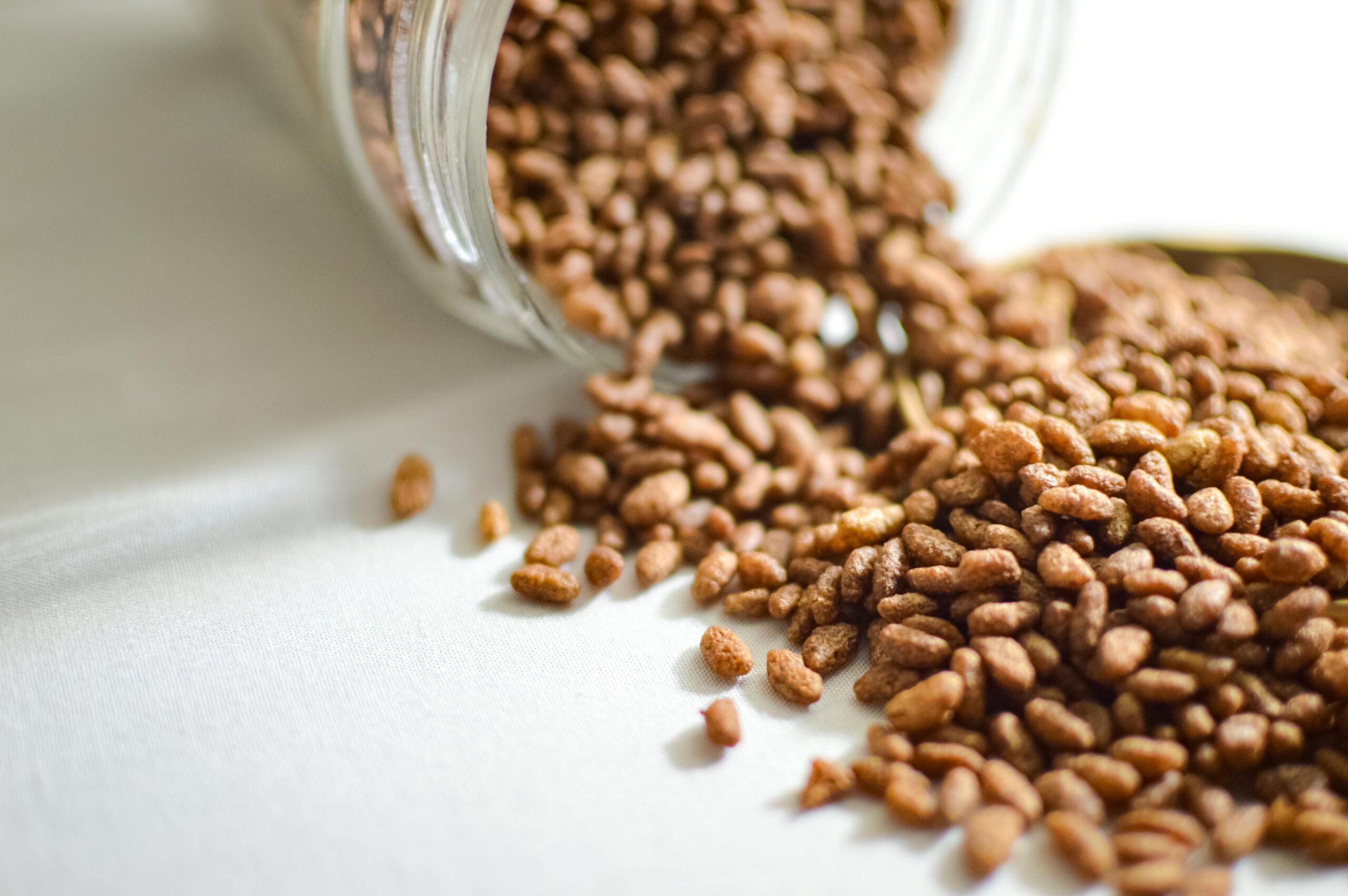
During the pelleting process, fine-grained raw materials are forced through a metal die under high pressure. Without an effective bonding agent, many materials fail to maintain their shape after cooling or crumble during mechanical handling.
Calcium lignosulfonate functions through two primary mechanisms:
- Thermoplastic Bonding: When exposed to steam and the friction heat generated inside the pellet mill, the lignosulfonate is activated. it develops a high-tack adhesive strength that binds fine particles into a solid, unified structure.
- Surface Varnish Effect: It forms a smooth, protective micro-layer around the pellet. This not only increases surface hardness but also acts as a barrier against moisture absorption from the ambient air.
Why Choose Calcium Lignosulfonate? 5 Key Industrial Advantages
Compared to synthetic alternatives or simple starch-based binders, calcium lignosulfonate offers decisive advantages for your production line:
- Superior Pellet Durability Index (PDI): The mechanical resilience of your pellets is significantly increased. This means less abrasion and breakage during pneumatic transport, silo storage, or screw-conveyor delivery.
- Lubrication Effect in the Die: Lignosulfonate reduces frictional resistance as the material passes through the die. This leads to lower energy consumption for the pellet press and increases the hourly throughput (tonnage per hour).
- Reduced Equipment Wear: Lower friction means less mechanical stress on expensive dies and roller shells, significantly extending the service life of your machinery and lowering maintenance costs.
- Wide Material Compatibility: It is equally effective across various industries, including wood (sawdust), animal feed, coal dust, iron ore, and chemical fertilizers.
- Eco-Friendly and Sustainable: Derived from natural lignin, it is fully biodegradable, non-toxic, and environmentally safe, meeting modern “green” manufacturing standards.
Industry Applications at a Glance
| Industry | Application | Primary Benefit |
| Agriculture | Animal Feed Pellets | Nutrients stabilization & dust reduction |
| Energy | Wood & Biomass Pellets | Higher energy density & better storage |
| Mining | Ore & Coal Pelletizing | Easier transport & improved smelting efficiency |
| Chemicals | Fertilizers | Controlled release & improved handleability |
Dosage and Application Guidelines
Calcium lignosulfonate is highly concentrated and cost-effective. Depending on the raw material and the desired hardness, the typical inclusion rate is between 0.5% and 3.0%. It can be easily integrated into existing mixing processes in either dry powder form or as a liquid solution.


Leave a Reply