
As the global industry actively searches for efficient, eco-friendly, and highly economical chemical additives, one product is increasingly stepping into the spotlight: Calcium Lignosulfonate (CAS 8061-52-7). As a bio-based polymer, this raw material offers outstanding properties as a dispersant, binder, and wetting agent across a wide range of industrial applications.
What Exactly is Calcium Lignosulfonate (CAS 8061-52-7)?
Registered under the CAS number 8061-52-7, calcium lignosulfonate is a water-soluble, amorphous polymer. It is generated as a highly valuable byproduct during the sulfite pulping process of wood. In this process, the naturally occurring lignin in wood is converted into lignosulfonic acid and subsequently neutralized with calcium.
The result is a yellowish to light brown powder (or aqueous solution) that is derived 100% from renewable resources, is entirely non-toxic, and is fully biodegradable.
Core Chemical and Physical Properties
For buyers and chemical engineers, the specific properties of CAS 8061-52-7 are crucial for successful process integration:
- Excellent Water Solubility: It dissolves rapidly and almost completely in water, even at low temperatures.
- Surface Activity: It acts as a highly efficient dispersant, significantly reducing the surface tension of liquids.
- Strong Binding Power: The polymeric structure provides excellent adhesive and binding properties.
- Environmental Compatibility: It is free from harmful synthetic chemicals and toxic residues.
Main Industrial Applications
The sheer versatility of calcium lignosulfonate makes it an indispensable additive in numerous sectors:
1. Construction Chemicals and Concrete
In the construction industry, CAS 8061-52-7 is widely recognized as a highly effective concrete plasticizer and water reducer. It efficiently disperses cement particles, which lowers the water demand of the mix. The result: A more flowable, easily workable concrete with significantly higher final compressive strength.
2. Agriculture and Animal Feed
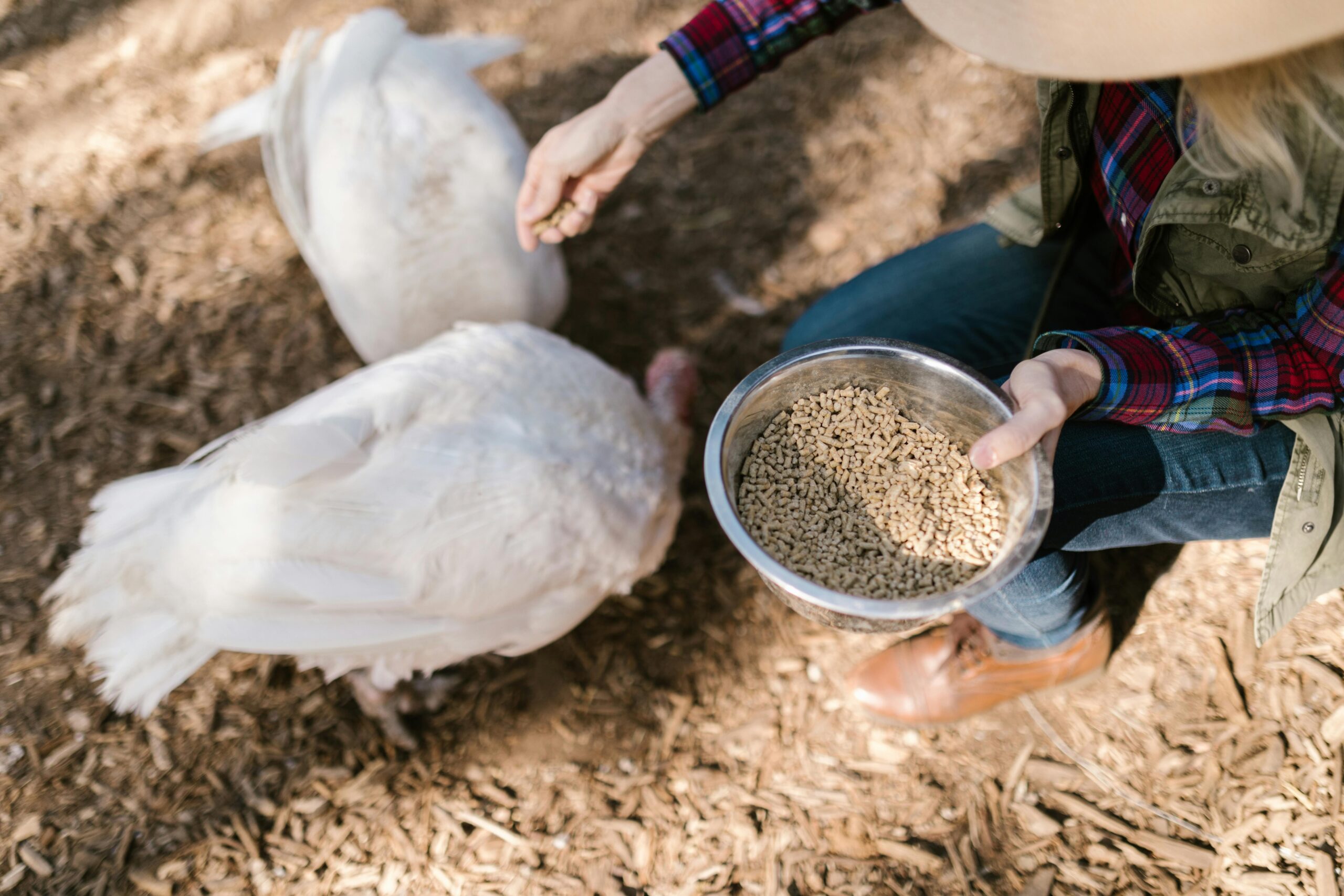
Acting as a natural pelleting binder, calcium lignosulfonate ensures dimensionally stable, shatter-resistant pellets in animal feed production. It reduces dust accumulation during transport and improves feed conversion. Additionally, it is used as a safe dispersant in agricultural pesticides and fertilizers.
3. Dust Suppression
On unpaved roads, construction sites, and in the mining industry, this polymer is sprayed for highly effective dust control. It binds fine soil particles together, prevents hazardous dust emissions, and stabilizes the ground in an environmentally friendly manner.
4. Ceramics and Refractory Materials
In ceramic manufacturing, adding this biopolymer increases the plasticity and mechanical strength of the raw materials before firing (green strength), which drastically minimizes production waste and breakage.
Why Switch to CAS 8061-52-7?
- Sustainable Sourcing: Shrink your company’s carbon footprint by utilizing plant-based, renewable raw materials.
- Cost Savings: Calcium lignosulfonate is often significantly more cost-effective than fully synthetic alternatives (such as polycarboxylates or synthetic resins).
- Safe Handling: The product is non-corrosive, non-flammable (in solution form), and poses no health risks to your workforce.



Leave a Reply