
Whether you are formulating concrete admixtures, manufacturing animal feed, or developing agricultural dispersants, securing a reliable supply of sodium lignosulfonate (CAS No. 8061-51-6) is critical to your production line.
As a highly versatile, bio-based polymer, global demand for sodium lignosulfonate is surging. However, purchasing industrial chemicals in bulk requires rigorous vetting of specifications, logistics, and supplier credibility.
Why Buy Sodium Lignosulfonate in Bulk?
Transitioning from spot purchasing to bulk contracts offers significant strategic advantages:
- Economies of Scale: Wholesale pricing per metric ton (MT) drops significantly as your order volume increases.
- Supply Chain Resilience: Securing large volumes (e.g., full container loads) protects your manufacturing schedule against sudden market shortages or seasonal shipping delays.
- Batch Consistency: Buying in larger quantities ensures you receive products from the same manufacturing batch, eliminating minor chemical variations that can affect your final formulation.
4 Key Specifications to Verify Before You Buy
Not all sodium lignosulfonates are created equal. Because it is a byproduct of the wood-pulping industry, the quality and chemical profile can vary based on the manufacturer’s source material and extraction process. Always request a Certificate of Analysis (CoA) and check the following metrics:
1. Dry Matter / Solid Content
For powder forms, the dry matter should be 93% to 95% minimum. A lower solid content means you are paying for excess moisture, which can also cause the powder to cake during transit.
2. Lignosulfonate (Active) Content
This measures the actual dispersing power of the chemical. High-quality industrial grades should boast an active lignosulfonate content of 50% to 65% or higher.
3. pH Level
Sodium lignosulfonate is prized for its broad pH tolerance. A standard 1% aqueous solution should generally have a pH between 7.0 and 9.0. If the pH is drastically lower, the product may be heavily acidic, indicating poor neutralization during manufacturing.
4. Ash Content and Reducing Sugars
High ash content can introduce unwanted impurities (like excess salts) into your mix. Look for an ash content below 20% to 25%. Additionally, if you are using it in concrete, ensure the “reducing sugars” content is low (typically under 8%), as excessive sugars will over-retard the setting time of the cement.
Understanding Grades, Pricing, and MOQs
| Grade Type | Typical Application | Average Pricing (Per MT) | Standard MOQ |
| Industrial / Technical Grade | Concrete plasticizers, ceramic binders, dust suppression. | $300 – $550 | 1 to 5 Metric Tons |
| Agricultural Grade | Pesticide dispersants, soil conditioners, fertilizer binders. | $400 – $650 | 1 Metric Ton |
| Feed / High-Purity Grade | Livestock pellet binders, specialized dyes. | $550 – $800+ | 1 Metric Ton |
Note: Prices fluctuate based on global shipping rates, raw timber costs, and the level of chemical refinement. Liquid sodium lignosulfonate is often cheaper per ton than powder but incurs higher shipping costs due to water weight.
How to Evaluate a Global Bulk Supplier
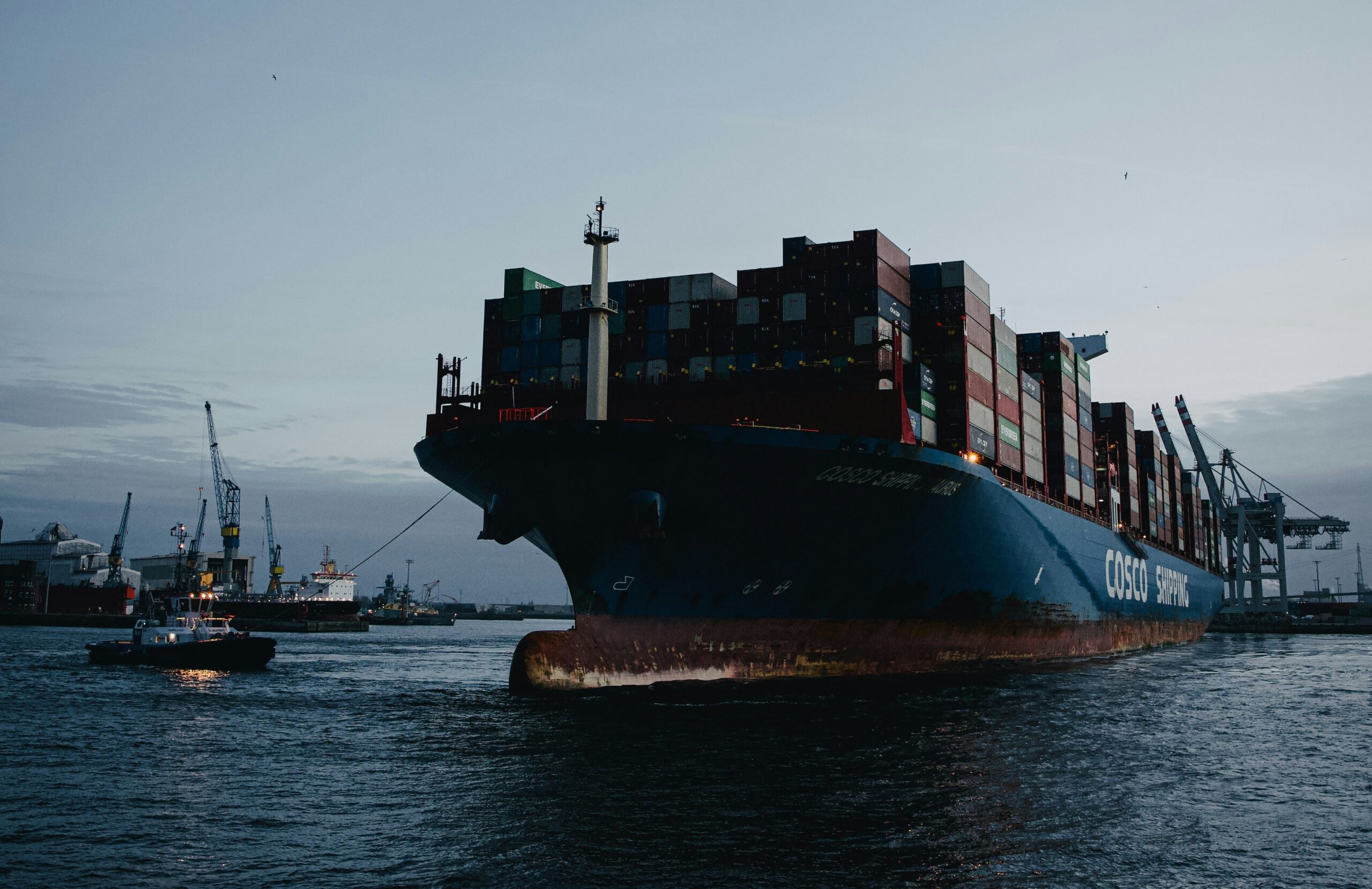
Most of the world’s commercial sodium lignosulfonate is manufactured in regions with massive timber and paper industries, primarily China, Russia, Europe, and North America. When vetting an overseas supplier, follow this checklist:
- Request a Pre-Shipment Sample: Never buy a bulk load without testing a 500g to 1kg sample in your specific formulation.
- Check Certifications: Ensure the manufacturer holds ISO 9001 (Quality Management) and, if you are in agriculture/feed, ISO 22000 or GMP certifications.
- Confirm the Port of Loading (POL): Knowing the POL (e.g., Qingdao, Shanghai, or European ports) helps you accurately calculate FOB (Free On Board) or CIF (Cost, Insurance, and Freight) pricing.
- Ask About Customization: Top-tier manufacturers can tweak the molecular weight, sulfonation degree, or packaging to meet your exact processing needs.


Leave a Reply