
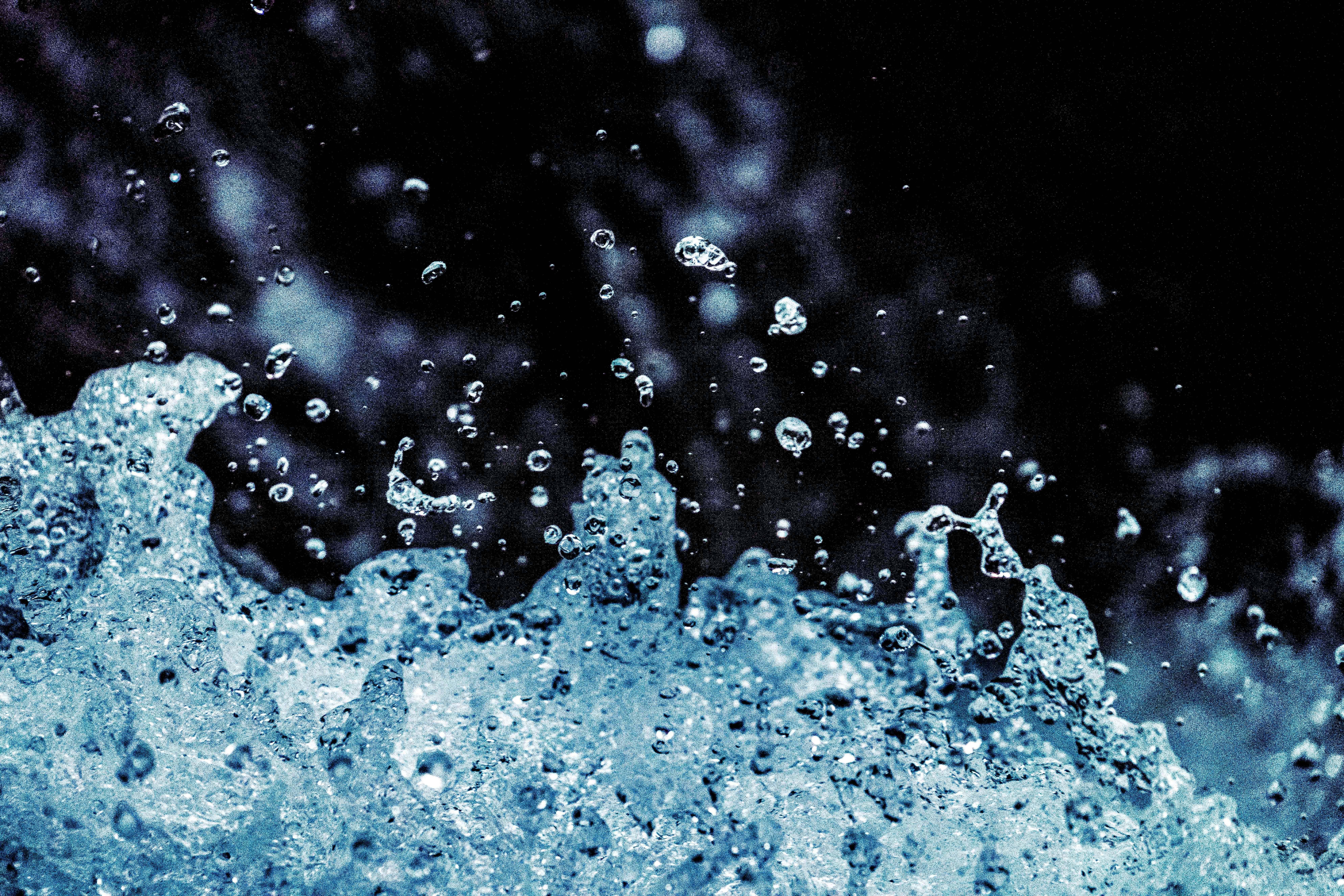
When formulating industrial chemicals, construction admixtures, or agricultural sprays, the physical behavior of your raw materials dictates the success of your final product. For sodium lignosulfonate, one of the most critical properties driving its widespread use is its exceptional solubility in water.
Unlike many synthetic polymers or raw lignins (such as Kraft lignin, which is notoriously difficult to dissolve), sodium lignosulfonate is highly hydrophilic. Understanding its solubility limits, dissolution mechanisms, and the environmental factors that affect it is essential for optimizing your industrial formulations.
How Soluble is Sodium Lignosulfonate?
The short answer: Extremely soluble. In practical terms, the water solubility of sodium lignosulfonate is considered virtually unlimited for most industrial applications. Under standard room temperature conditions (20°C), its solubility comfortably exceeds 500 g/L.
However, there is a physical limit to the usability of the solution. Once the concentration of sodium lignosulfonate in water surpasses 50% to 55% by weight (w/v), the solution becomes highly viscous (syrup-like). While it is still technically dissolved, a mixture this thick becomes difficult to pump, spray, or mix efficiently in standard industrial equipment.
The Chemical Mechanism: Why Does it Dissolve So Easily?
- Ion-Dipole Interactions: During the manufacturing process (sulfite pulping or post-sulfonation), sulfonic acid groups are attached to the lignin backbone. When combined with a sodium base, these groups become highly polar. When introduced to water, the negatively charged sulfonate groups violently attract the positive poles of the water molecules, pulling the polymer into the solution.
- Hydrogen Bonding: The lignin molecule also contains numerous hydroxyl and carboxyl functional groups. These groups form strong hydrogen bonds with water molecules, further accelerating the dissolution process.
- Sodium as a Cation: Sodium salts are inherently more soluble than their calcium or magnesium counterparts. The sodium ion dissociates completely in water, preventing the formation of insoluble precipitates.
Factors Influencing Solubility and Dissolution Rate
While sodium lignosulfonate easily melts into water, several factors control how fast it dissolves and the stability of the final solution.
1. Temperature
Sodium lignosulfonate dissolves perfectly well in cold water, but temperature significantly impacts the speed of dissolution.
- Optimal Range: Using warm water (30°C to 40°C) drastically speeds up the hydration of the powder, preventing the formation of dry, sticky clumps (often called “fish eyes” in mixing tanks).
2. pH Levels
One of the greatest advantages of sodium lignosulfonate is its stability across a vast pH spectrum. It remains highly soluble in water ranging from pH 2 to pH 12.
- Extreme Acidity (< pH 2): In highly acidic environments, the sulfonate groups can become protonated (converting back to sulfonic acid), which slightly reduces its overall solubility and dispersing power.
- Extreme Alkalinity (> pH 12): It remains fully soluble, but prolonged exposure to extreme alkaline heat can cause the polymer chains to degrade over time.
3. Water Hardness
Unlike many synthetic surfactants that crash out of solution when exposed to hard water (water rich in calcium and magnesium ions), sodium lignosulfonate is highly tolerant to hard water, maintaining a stable, dark brown solution without precipitating.
How to Optimize Mixing in Industrial Settings
To achieve a perfect, homogeneous solution without wasting time or mechanical energy, follow these best practices for mixing sodium lignosulfonate powder into water:
- Add Powder to Water (Not Water to Powder): Always start with the required volume of water in your mixing tank. Slowly sift the sodium lignosulfonate powder into the water while the agitator is running.
- Control the Pour Rate: Dumping large bags of powder into water all at once will cause the outside of the powder mound to hydrate and form a gelatinous seal, keeping the inside dry.
- Standard Concentrations: For most practical applications (like dust suppression or pesticide dispersants), aim for a working solution concentration between 10% and 30%.
Industrial Applications Driven by High Solubility
Why does this extreme water solubility matter? It allows sodium lignosulfonate to act as a premier liquid delivery system across multiple sectors:
- Concrete Admixtures: As a water-reducing plasticizer, it must dissolve completely into the concrete mix water to coat the microscopic cement particles evenly. Incomplete dissolution would lead to weak spots in the cured concrete.
- Agrochemicals: Used in Wettable Powders (WP) and Suspension Concentrates (SC), it ensures that when a farmer drops the chemical into a spray tank, it dissolves instantly without clogging the spray nozzles.
- Dust Control: Highly concentrated solutions (up to 30%) can be sprayed out of standard water trucks onto dirt roads. As the water evaporates, the dissolved lignosulfonate acts as a glue, trapping dust particles into a hard crust.



Leave a Reply