
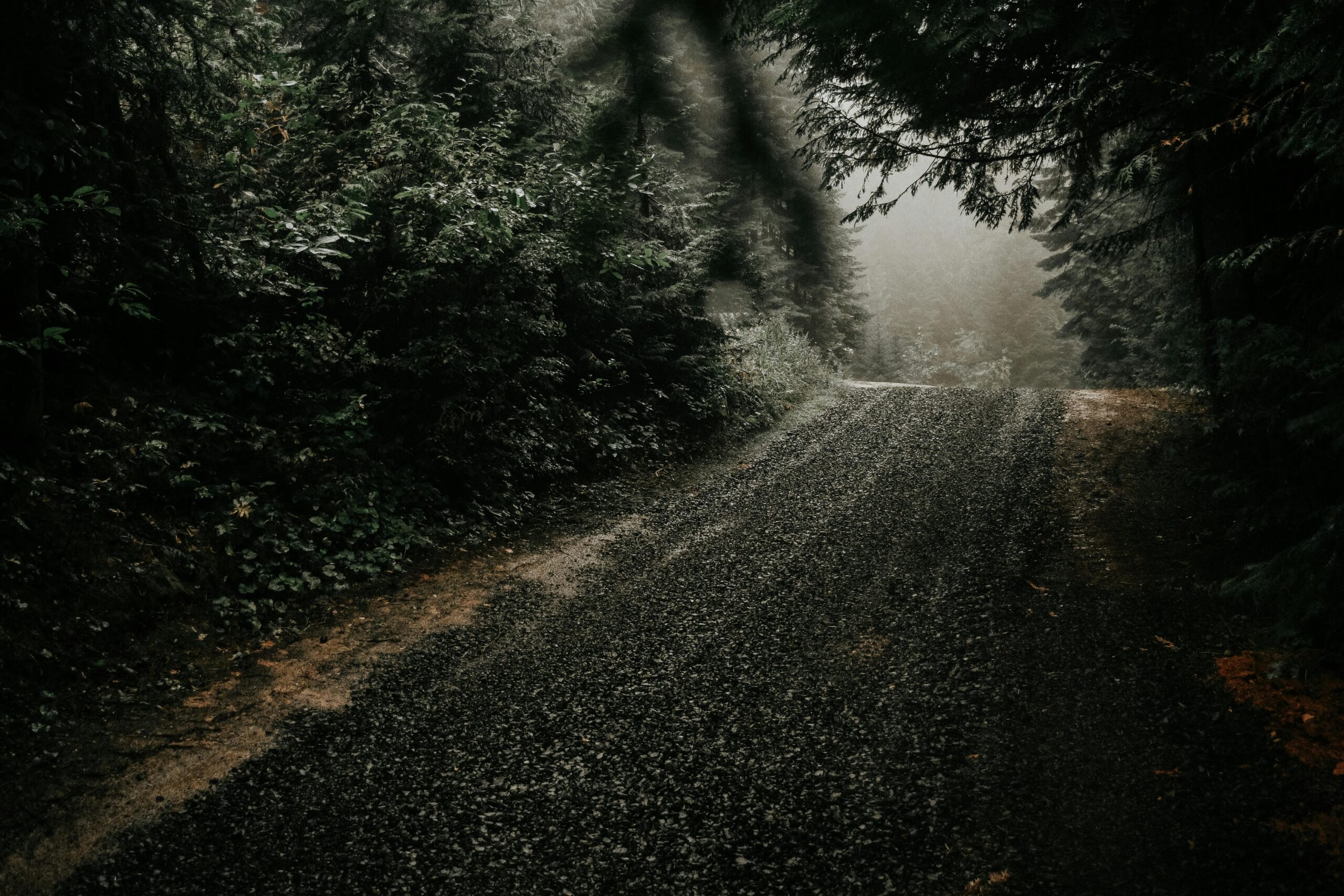
Gravel roads are the essential backbone of rural infrastructure, agricultural access routes, and private driveways. However, during dry seasons, these roads share one frustrating and costly flaw: fugitive dust. Every passing vehicle kicks up a billowing cloud of particulate matter. This dust isn’t just an annoying visibility hazard; it is the actual structural mortar of your road blowing away into the wind.
While the traditional response has been to spray endless gallons of water or apply harsh chemical salts, property owners and municipal road managers are increasingly shifting to a smarter, nature-based solution: lignosulfonate for gravel road dust control.
The Anatomy of a Failing Gravel Road
To understand why lignosulfonate works, you have to look at how a gravel road is built. A strong, stable gravel road relies on a precise mixture of large aggregate (the rocks) and “fines” (the microscopic dust, silt, and clay).
The fines act as the glue that locks the larger stones in place. When a road dries out and traffic kicks those fines into the air as dust, the larger gravel becomes loose. Once the gravel is loose, traffic quickly pushes it to the side of the road. This leads to the rapid development of:
- Washboarding: The rhythmic, bone-rattling ridges that destroy vehicle suspensions.
- Potholes and Rutting: Structural weak points that trap water and degrade the road base.
- Gravel Loss: The expensive need to buy and haul in new replacement rock year after year.
How Lignosulfonate Locks Down Dust
Lignosulfonate is an organic, water-soluble biopolymer derived from tree lignin—the natural resin that gives wood its strength and flexibility. It is harvested as a byproduct of the paper pulping industry, making it a highly sustainable, upcycled resource.
When applied to a gravel road, the lignosulfonate solution coats both the loose fines and the larger aggregate. As the water carrier evaporates, the natural lignin cures, acting exactly as it does in nature: as a powerful adhesive. It chemically and physically binds the microscopic dust particles to the larger gravel, creating a hardened, cohesive, and stabilized road crust.
Instead of the road surface blowing away, it stays firmly glued together.
Why Lignosulfonate Outperforms the Alternatives
Using lignosulfonate for gravel road dust control offers distinct advantages over traditional, outdated methods like watering or chloride salts.
1. Superior to Plain Water
Watering a gravel road is a fleeting fix. In the heat of summer, water evaporates in hours, allowing the dust to return immediately. Lignosulfonate provides long-lasting suppression—often requiring only one or two applications per season—drastically cutting down on the fuel, labor, and water costs associated with running a water truck daily.
2. 100% Non-Corrosive (Unlike Chlorides)
For decades, magnesium chloride and calcium chloride have been popular dust suppressants. However, these chemical salts are aggressively corrosive. They eat away at the undercarriages, brake lines, and wiring of personal vehicles, farm equipment, and school buses. Lignosulfonate is entirely non-corrosive, extending the life of any vehicle that travels your road.
3. Eco-Friendly and Safe
Because it is derived from tree sap, lignosulfonate is completely biodegradable, non-toxic, and safe for the environment. It will not leach harmful chemicals into nearby groundwater, streams, or wells. It is perfectly safe to use around agricultural crops, livestock, pets, and children, making it the ideal choice for residential driveways and farm roads.
4. Massive Reductions in Maintenance
By locking the fines into the road matrix, lignosulfonate significantly increases the structural integrity of the gravel surface. Roads treated with this natural polymer resist washboarding and pothole formation, meaning you have to run a grader over the road far less frequently and rarely need to purchase replacement gravel.
Application: Doing It Right
To get the maximum lifespan out of a lignosulfonate treatment, proper preparation is key. You cannot simply spray it onto a compacted, dusty road and expect miracles. The best results come from a basic mechanical integration:
- Grade the Road: Use a grader or box blade to break up existing washboards and potholes, pulling loose material back into the center to re-establish a proper crown for water drainage.
- Pre-Wet: Lightly dampening the road breaks the surface tension of the dust, allowing the lignosulfonate to penetrate deeply into the gravel matrix rather than pooling on top.
- Apply the Product: Spray the lignosulfonate evenly across the surface using a distributor truck or tow-behind sprayer.
- Traffic Compaction: Allow normal vehicle traffic (or use a pneumatic roller) to compact the treated gravel while it cures, locking the aggregate tightly together.




Leave a Reply