
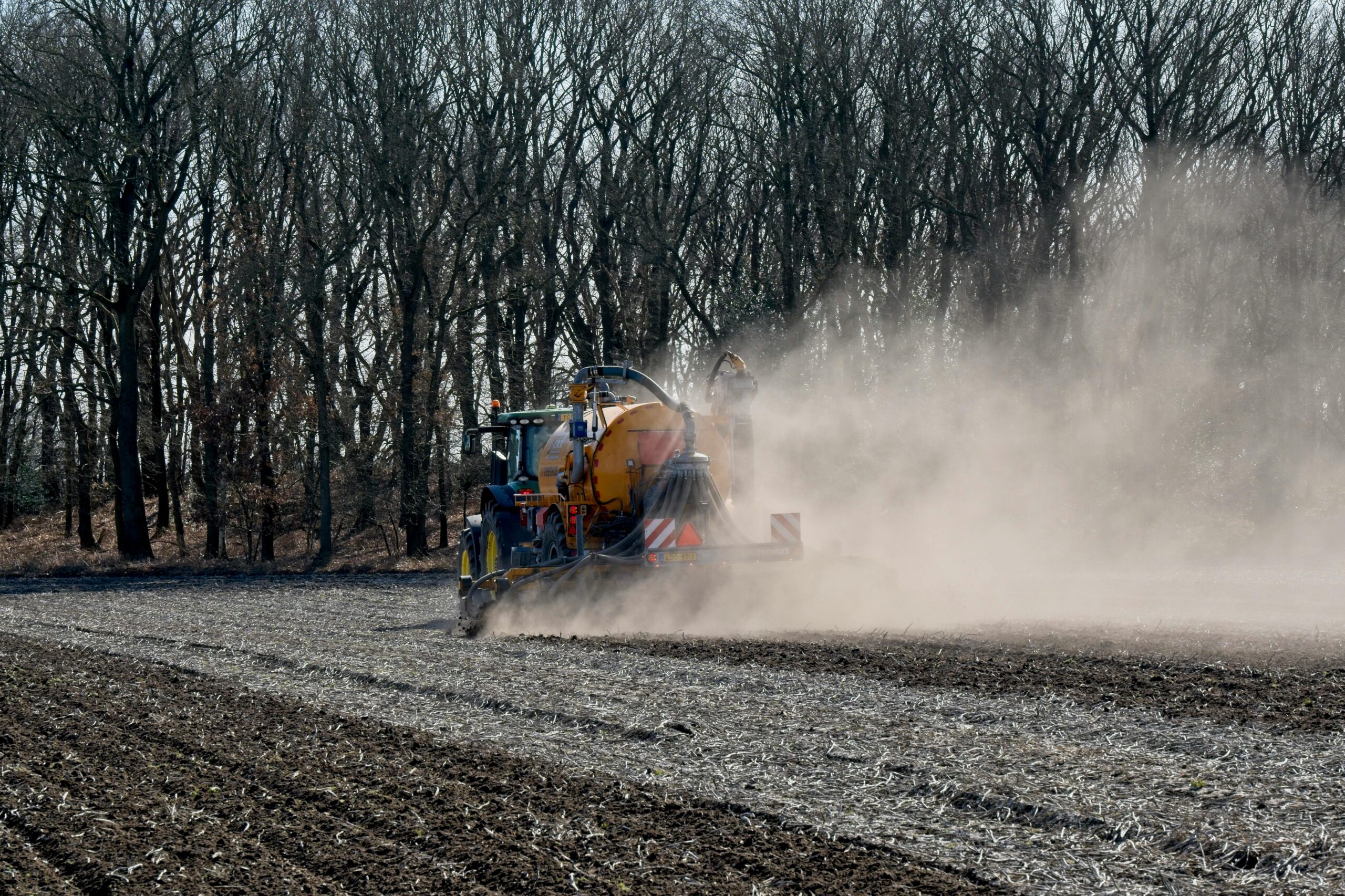
When managing a farm, orchard, vineyard, or livestock operation, fugitive dust is much more than a nuisance. Airborne dust from unpaved farm roads and equipment yards can coat crops, stunting photosynthesis. It poses severe respiratory risks to farm workers and livestock, and it accelerates wear and tear on expensive machinery.
However, in an agricultural setting, you cannot simply spray any chemical on the ground to solve the problem. The dust suppressant must be completely safe for the surrounding soil, water, plants, and animals.
So, is lignosulfonate safe for agricultural dust control? The short answer is a definitive yes.
100% Natural and Plant-Derived
To understand its safety profile, it helps to know exactly what lignosulfonate is. It is not a synthetic, petroleum-based chemical. Lignosulfonate is a natural biopolymer derived from lignin—the organic resin that binds cellulose fibers together inside living trees, giving wood its structural strength.
It is harvested as a byproduct of the paper and wood pulping industry. Because it comes directly from plant matter, it is completely organic, non-toxic, and fully biodegradable. When you apply it to a farm road, you are essentially returning a natural tree derivative back into the earth.
Why Lignosulfonate is the Safest Choice for Farms
Using lignosulfonate for agricultural dust control offers unparalleled safety benefits compared to traditional methods:
- Zero Soil Toxicity: Unlike other treatments, lignosulfonate does not poison the soil. If runoff from a treated farm road washes into an adjacent crop field or orchard, it will not harm the plants or alter the soil chemistry in a negative way.
- Safe for Livestock and Wildlife: It is entirely safe to use around animals. In fact, purified forms of lignosulfonate are legally approved and widely used as a natural pellet binder in livestock feed. If a cow, horse, or dog walks over a treated road and licks their paws or hooves, there is zero risk of toxicity.
- Groundwater Protection: Because it is a biodegradable organic compound, lignosulfonate does not leach toxic heavy metals or harmful synthetic chemicals into well water or local streams, keeping your farm compliant with environmental and water quality regulations.
- Non-Corrosive to Farm Equipment: Tractors, combines, and heavy machinery are massive investments. Lignosulfonate contains no corrosive salts, meaning it will never rust the undercarriage or wiring of your equipment.
The Danger of the Alternative: Chemical Chlorides
To truly appreciate the safety of lignosulfonate, you have to compare it to the most common alternatives: magnesium chloride and calcium chloride.
While these chemical salts are cheap and effective at pulling moisture from the air to suppress dust, they are highly problematic in an agricultural setting:
- Salt Burn and Crop Death: Chloride salts easily wash off roads and into nearby soil. Over time, this salt accumulation effectively poisons the soil, causing “salt burn” that dehydrates and kills nearby crops, orchard trees, and roadside vegetation.
- Severe Corrosion: Chlorides are aggressively corrosive. Driving farm equipment over salt-treated roads will rapidly rust out metal components, leading to catastrophic equipment failure and massive repair bills.
- Animal Irritation: High concentrations of chloride salts can cause severe irritation to the hooves and paws of animals walking over the treated surface.
Lignosulfonate eliminates all of these risks entirely, providing structural road stabilization without the toxic side effects.
A Hidden Benefit: Soil Health
Interestingly, because lignosulfonate is packed with organic carbon, its gradual breakdown can actually be beneficial to the immediate environment. As the road edge slowly biodegrades over a span of months or years, the organic matter feeds beneficial soil microbes. In agricultural science, lignosulfonates are even actively used as biostimulants and chelating agents to help plants absorb micronutrients.



Leave a Reply