
Buyers increasingly ask for the carbon footprint of the chemicals they buy. This page explains how a product carbon footprint (PCF) for lignosulfonate is calculated and what affects the result. We do not publish a PCF figure on this site; we only publish figures that are backed by a documented calculation.
At a glance
- Standards
- ISO 14067; GHG Protocol Product Standard
- Typical scope
- Cradle-to-gate: raw material to factory gate
- Key issue
- How emissions are shared between pulp and lignosulfonate at the mill
- Our status
- No PCF figure published; method and data available on request
What a product carbon footprint covers
A cradle-to-gate PCF adds up the greenhouse-gas emissions from producing the raw material, transporting it, processing it into the finished product and packing it, expressed as kg CO₂-equivalent per kg of product. Use-phase and end-of-life emissions are added only for a cradle-to-grave study.
Main stages for lignosulfonate
| Stage | What is included | What drives emissions |
|---|---|---|
| Raw material | Share of the sulfite pulp mill burden allocated to the spent liquor | Allocation method (see below) |
| Transport | Liquor or concentrate to the processing plant | Distance and mode |
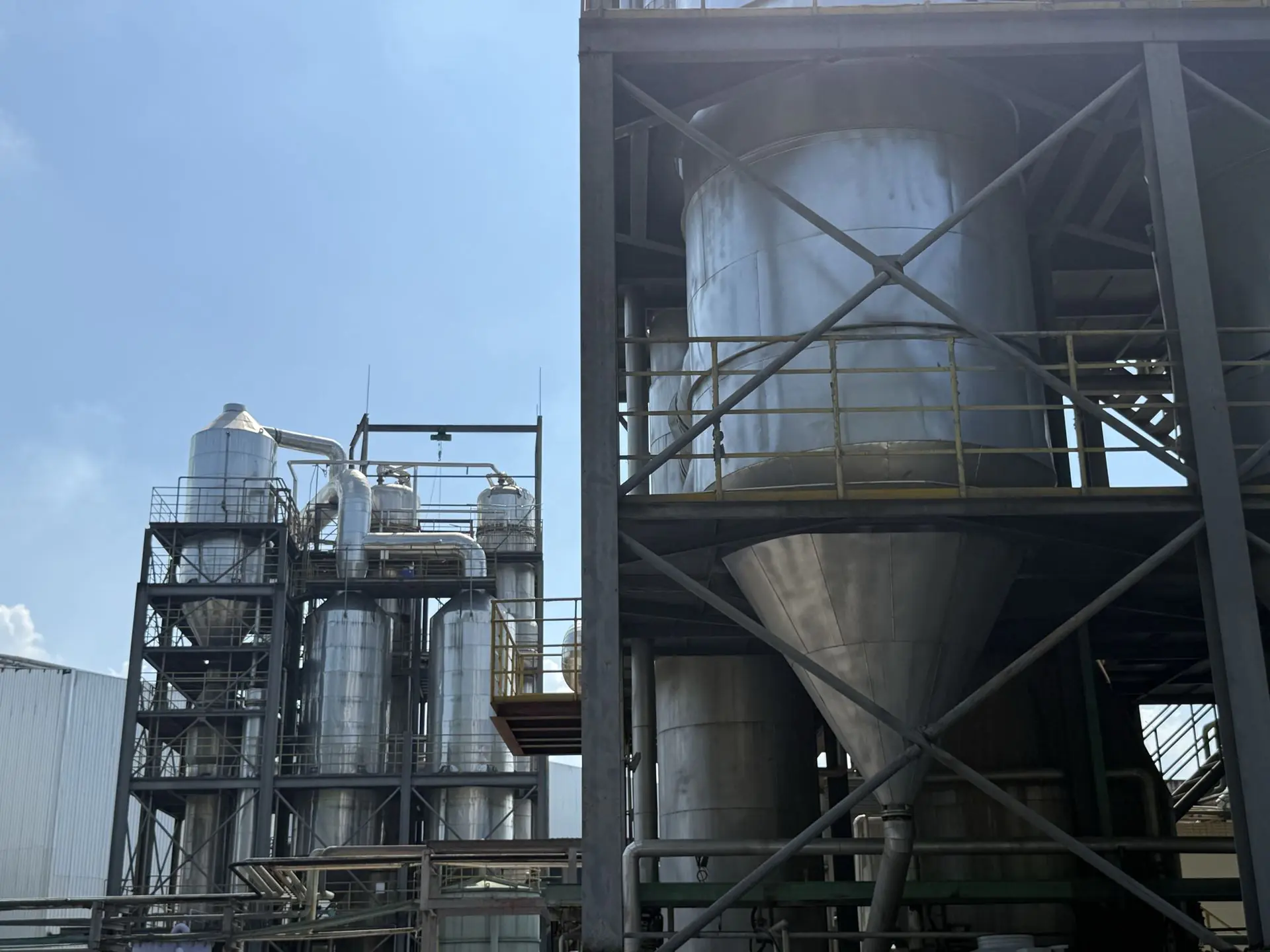
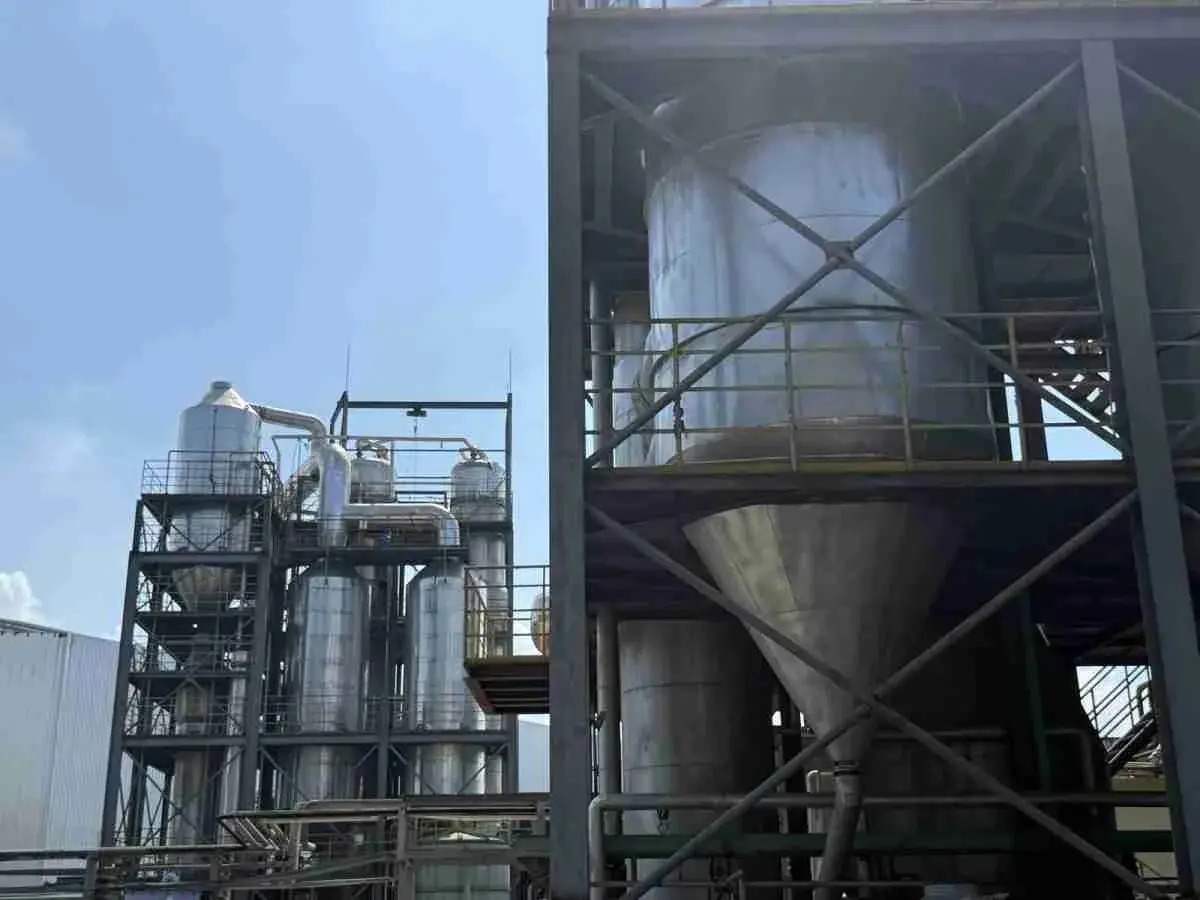
| Processing | Purification, evaporation, chemical treatment, spray drying | Steam and electricity source; evaporation is energy-intensive |
| Packaging | Bags, jumbo bags, IBCs, flexitanks | Material and weight |
| Distribution (optional) | Transport to the customer | Distance and mode |
The allocation question
Lignosulfonate comes from the same mill as pulp. How the mill’s emissions are shared between pulp and the spent liquor has a large effect on the result. Common approaches:
- Residue approach: the liquor is treated as a residue and carries none of the upstream burden; only its own processing is counted.
- Economic allocation: emissions are split by the value of pulp and lignosulfonate.
- Mass or energy allocation: emissions are split by mass or energy content.
Different choices can change the PCF by a large factor, so a figure is only comparable when the method is stated.
Biogenic carbon
Lignosulfonate carbon comes from wood, so it is biogenic. Standards require biogenic carbon content and removals to be reported separately from fossil emissions, and not to be netted off without a stated method.
What to ask any supplier for
- The standard used (ISO 14067, GHG Protocol) and the system boundary.
- The allocation method and the data year.
- Energy sources for evaporation and drying.
- Whether the study was third-party reviewed.
Frequently asked questions
Do you publish a carbon footprint for your lignosulfonate?
Not on this site. We publish figures only when they are backed by a documented calculation. Contact us for the current status and method.
Why do lignosulfonate carbon footprints differ so much?
Mainly because of how pulp-mill emissions are allocated to the spent liquor, and the energy source for evaporation and drying.
Is lignosulfonate carbon-neutral?
Its carbon is biogenic, but processing uses energy, so it is not automatically carbon-neutral. A PCF is needed to quantify it.